Residential Applications
Homeowners commonly choose flake flooring for garages, hobby rooms, and workshops because the finish looks intentional without being overly ornate. It can also help visually connect a garage with storage cabinets and wall colors. Before choosing a blend, consider the amount of natural light, whether the garage door stays open, and how much texture you want underfoot. Samples viewed in the actual space can be more useful than choosing from a screen.
Commercial Applications
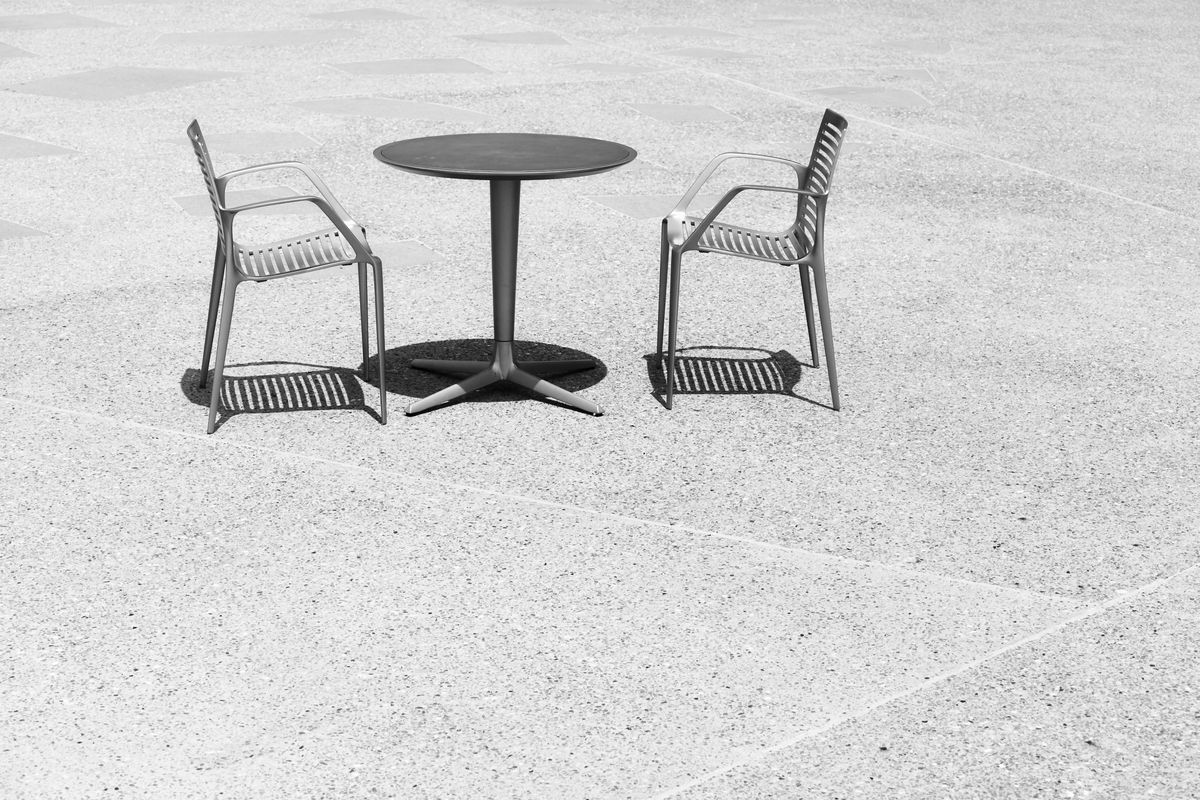
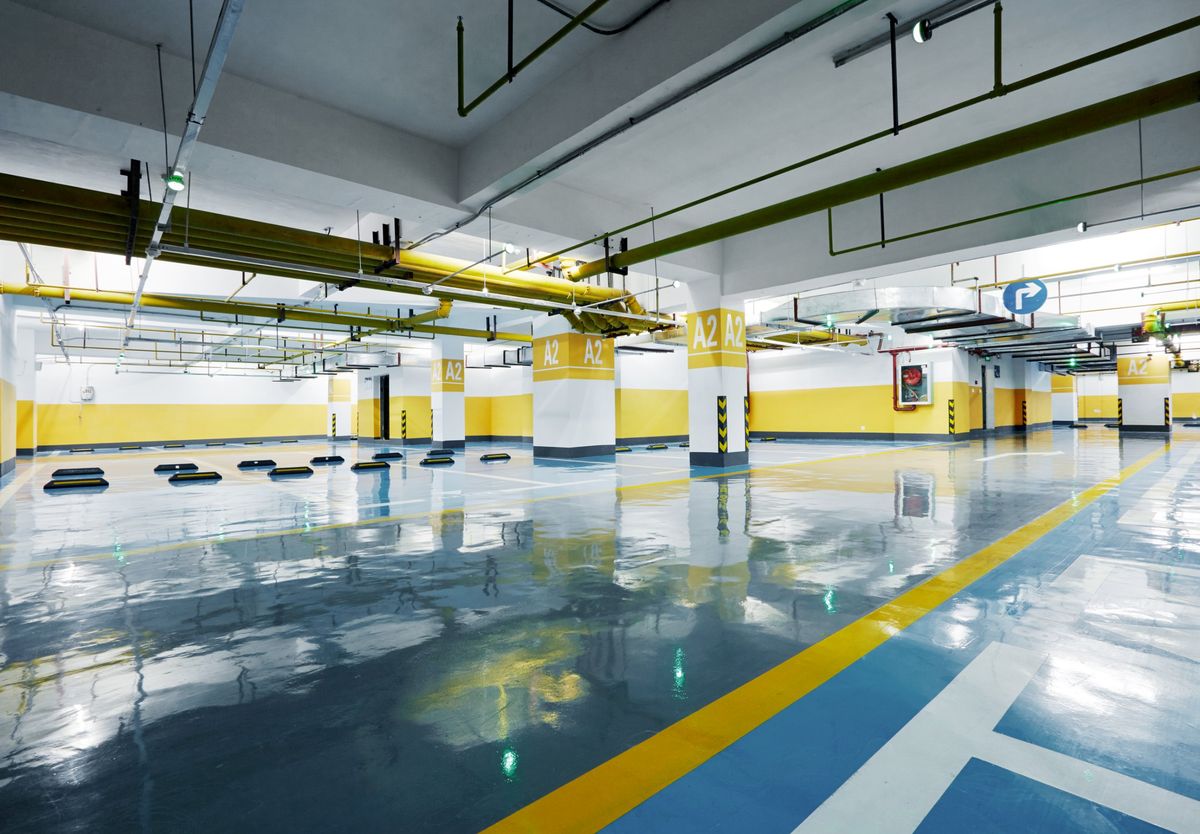
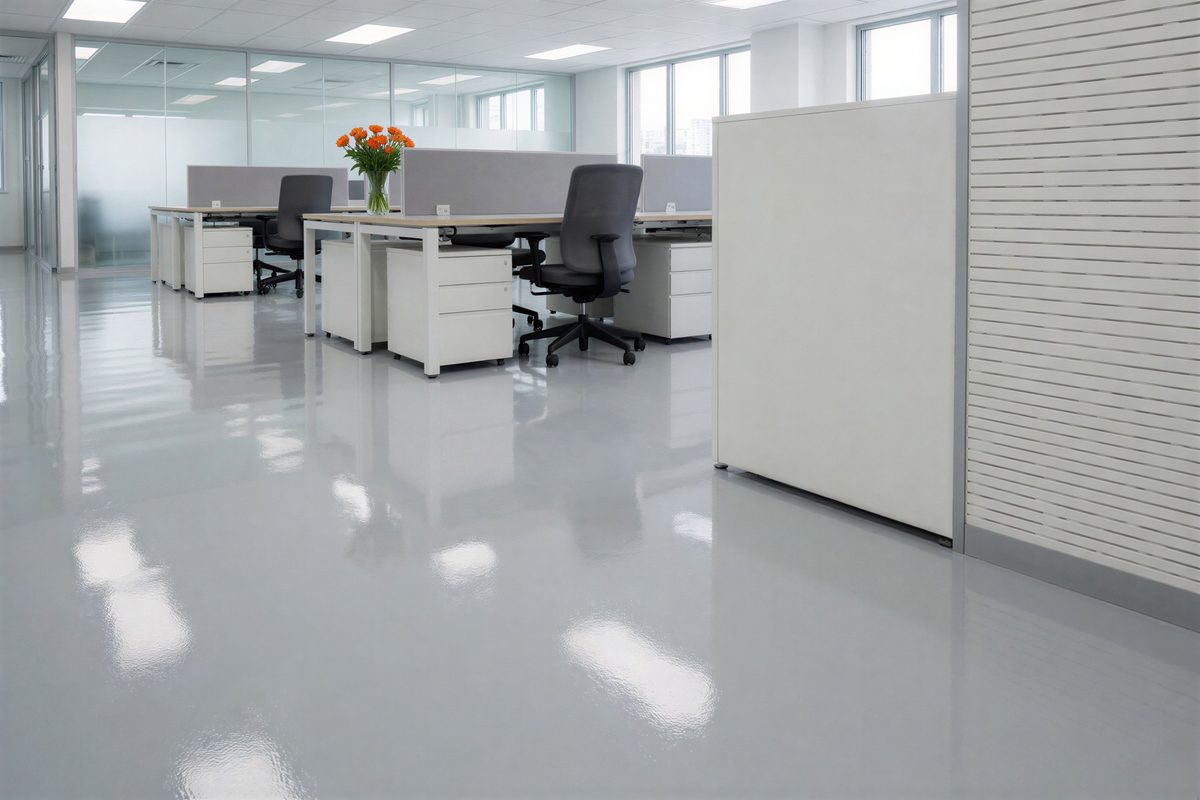
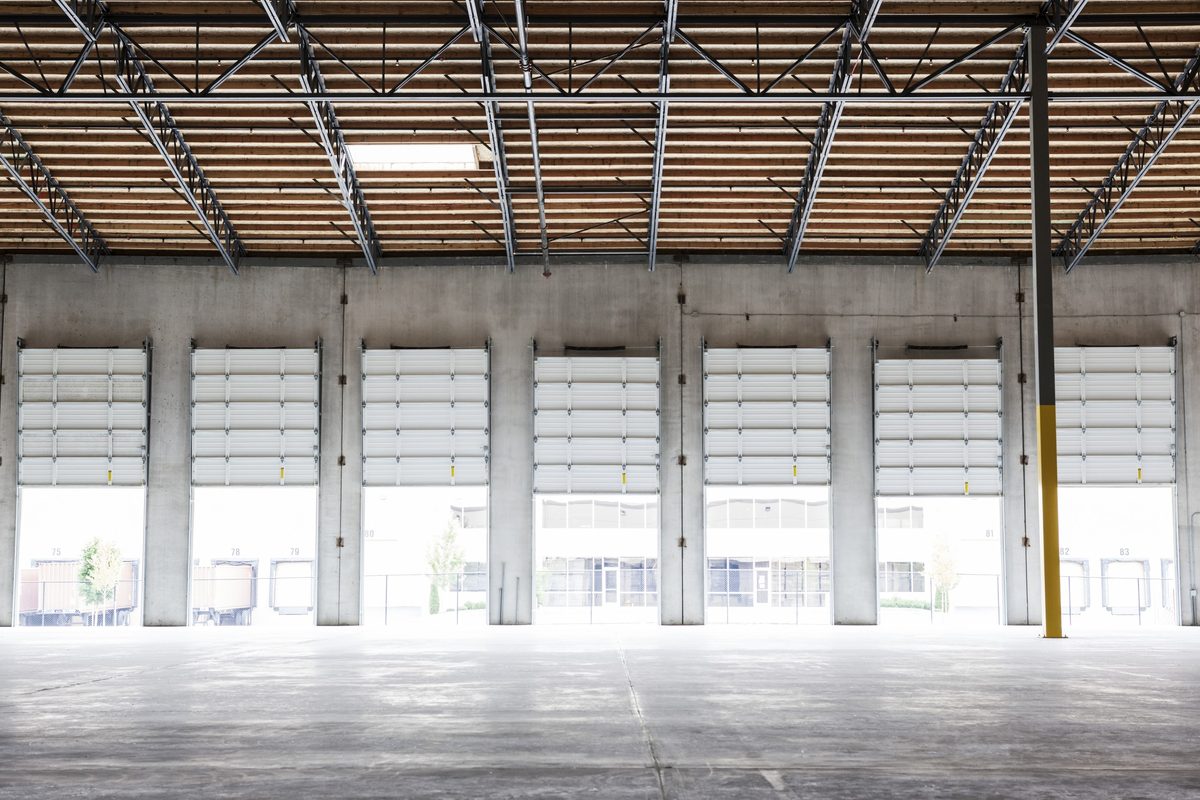
Flake systems can be used in selected retail areas, service spaces, offices with concrete floors, and other customer-facing environments where a decorative finish is desired. Commercial suitability depends on traffic, cleaning, slip-resistance needs, and chemical exposure. Heavy forklift traffic or aggressive industrial use may require a different system or a more robust specification than a decorative residential garage floor.
Common Applications
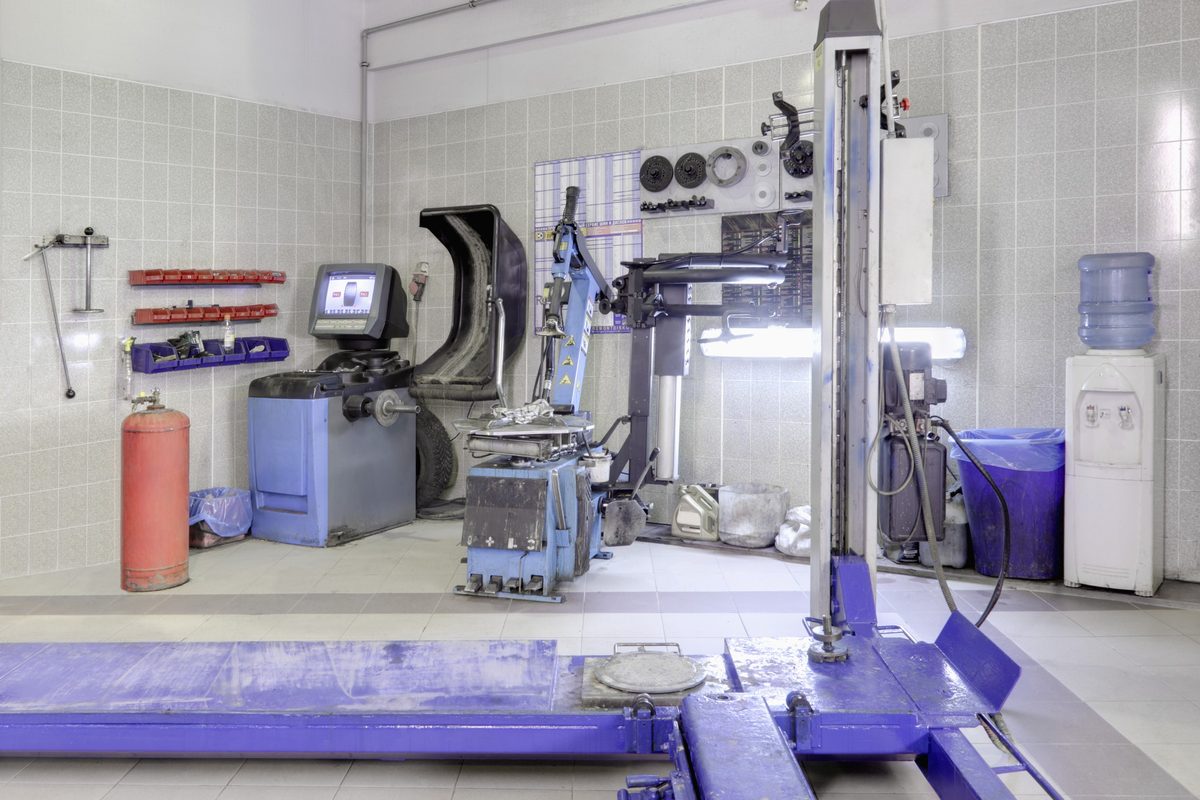
Typical uses include garage floors, home workshops, mudroom-adjacent utility areas with suitable concrete, small showrooms, service areas, and some commercial interiors. Full-flake coverage is popular where a consistent chip pattern is desired. Partial-flake designs leave more of the base color visible. The chosen system should be appropriate for indoor or outdoor exposure and the expected loads.
Materials, Finishes, and System Options
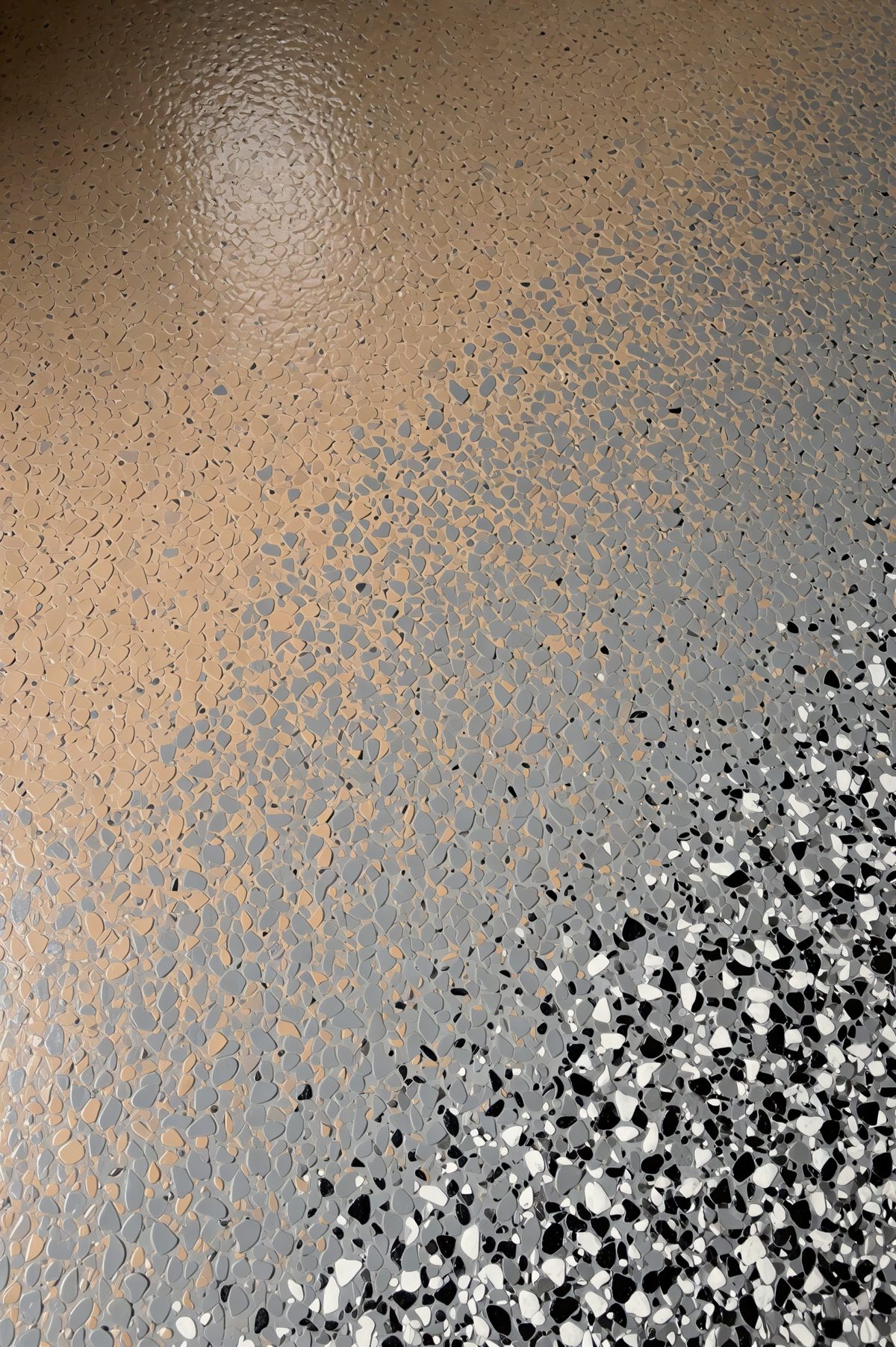
Flake choices include different chip sizes, color blends, and broadcast coverage levels. Full broadcast generally creates a more continuous chip appearance and texture; partial broadcast allows more basecoat to show. A clear polyaspartic or other compatible topcoat can provide UV stability and wear properties depending on formulation. Matte, satin, and gloss effects vary by product. Anti-slip additives may be added, but ask how they affect cleaning and maintenance.

Our Typical Installation Process
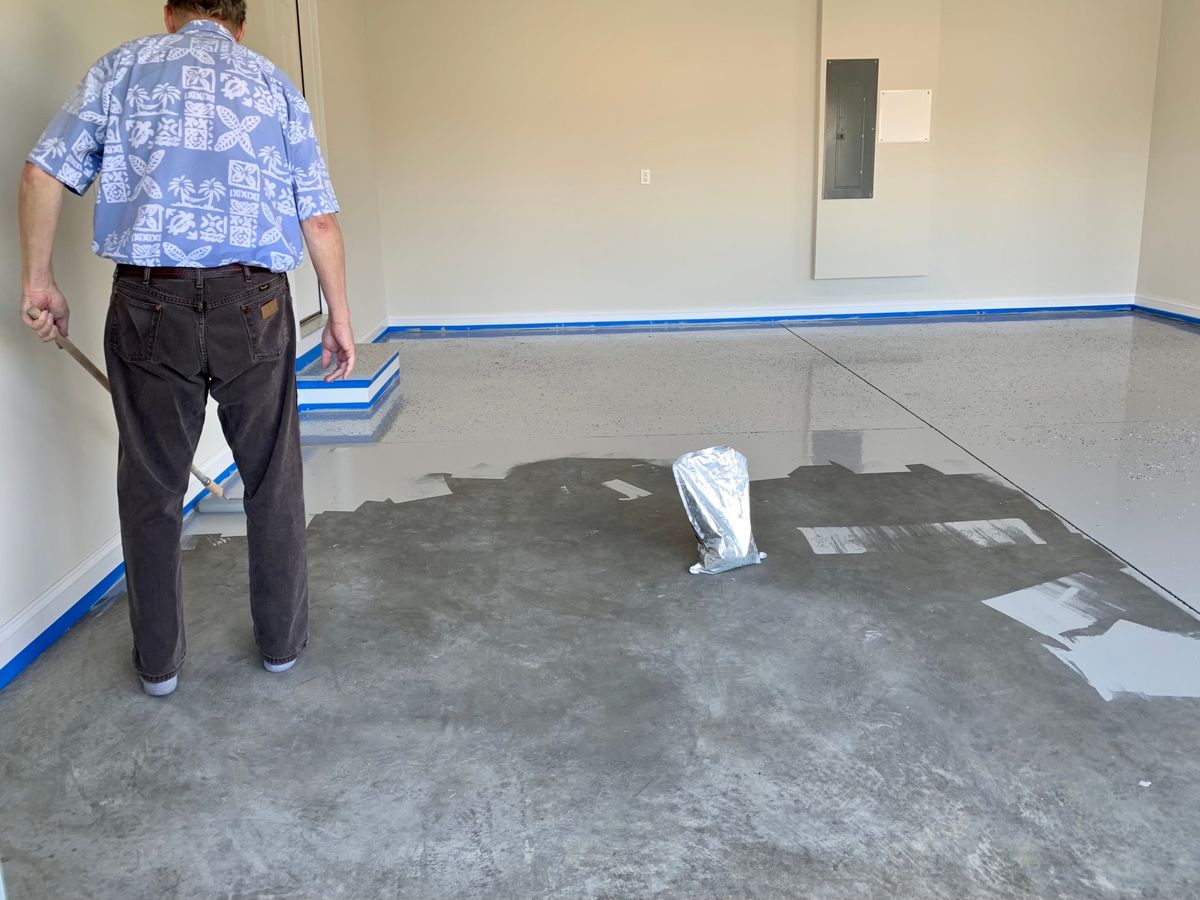
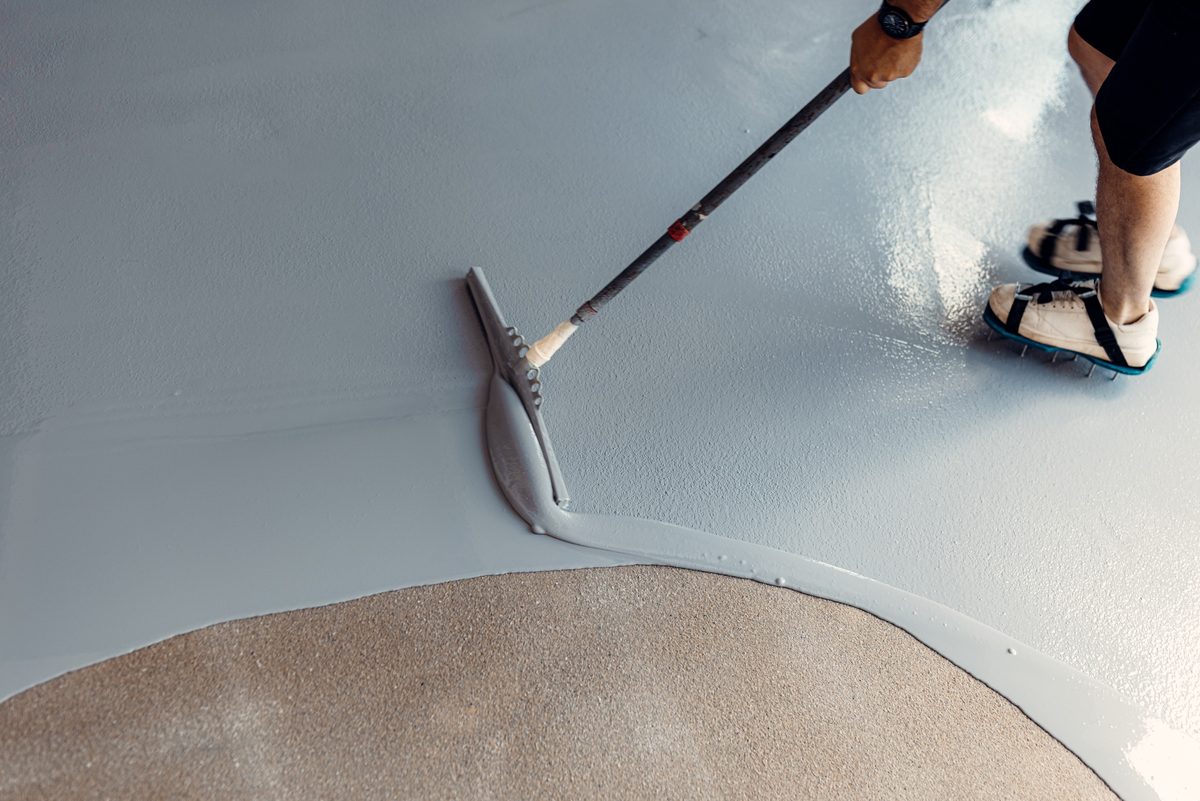
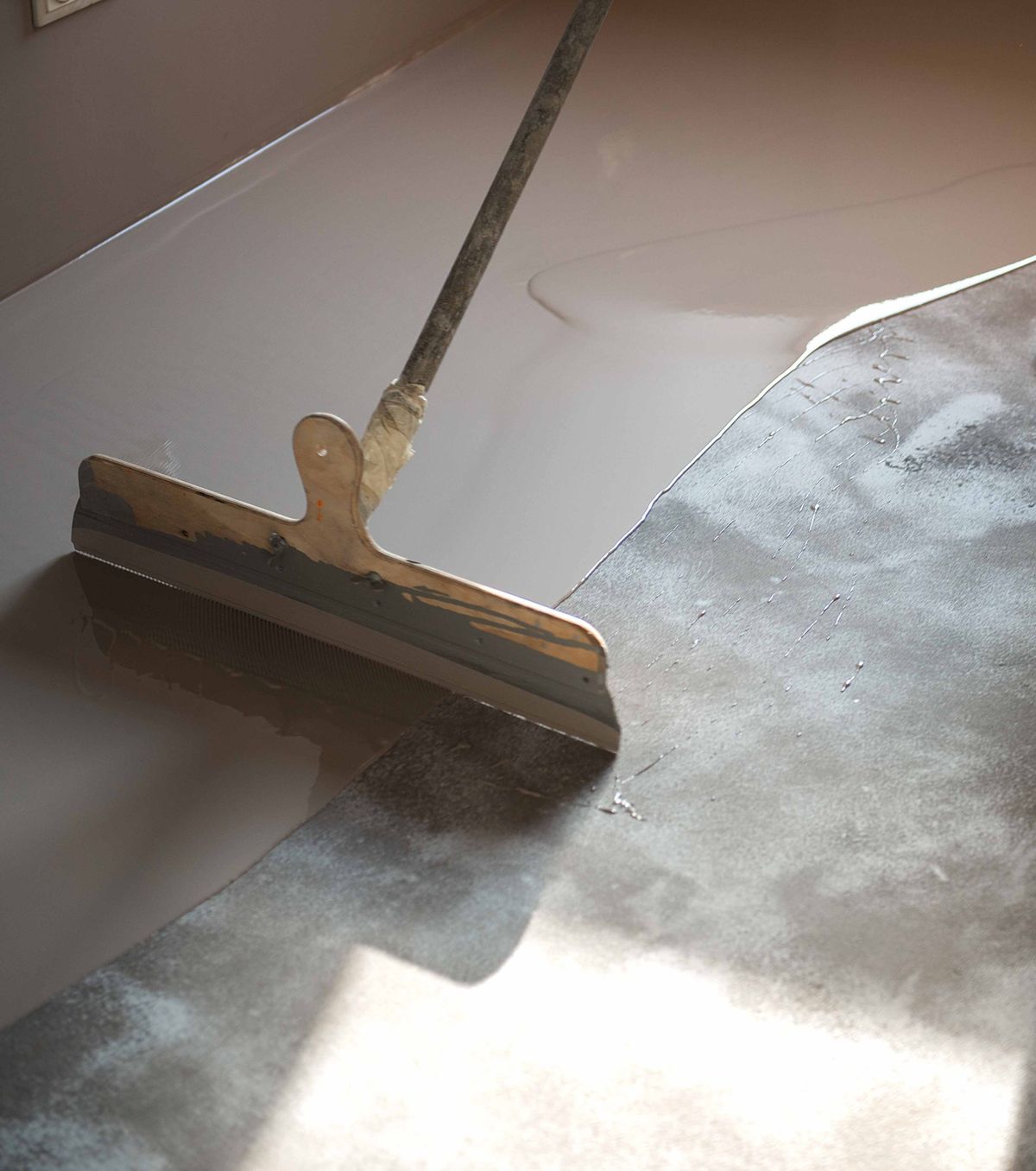
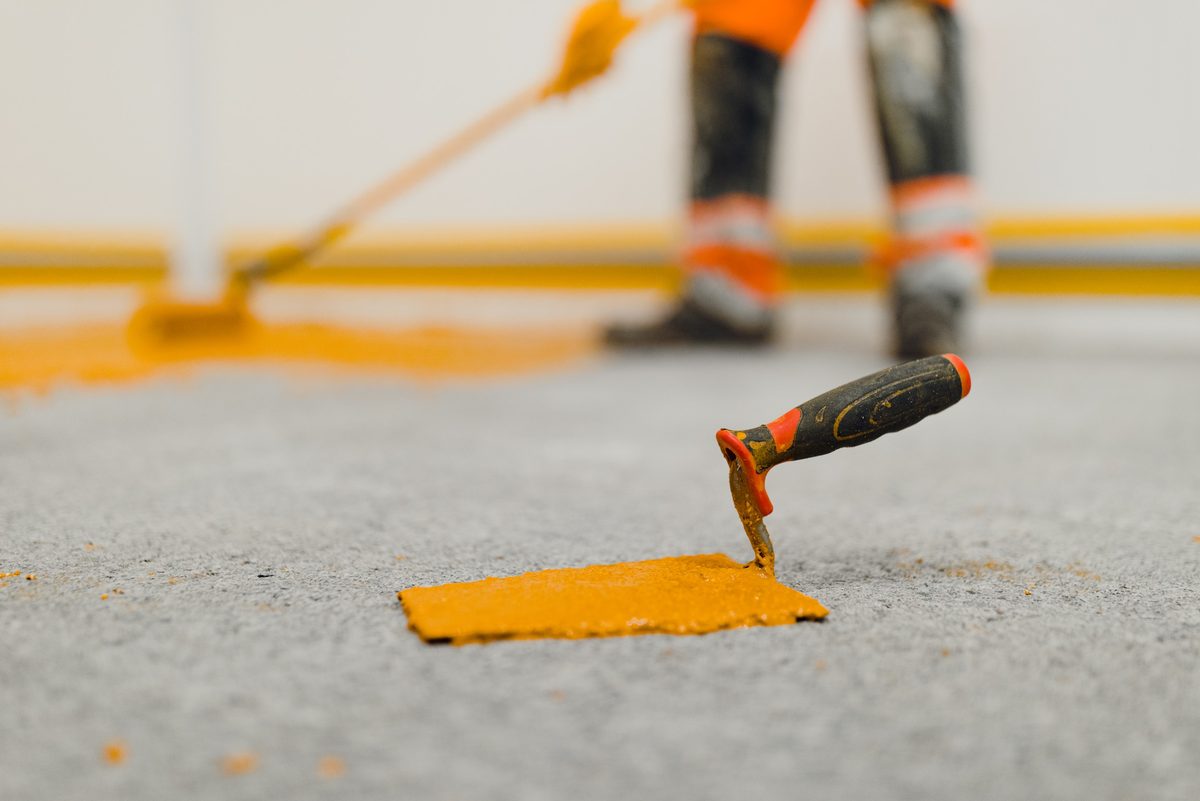
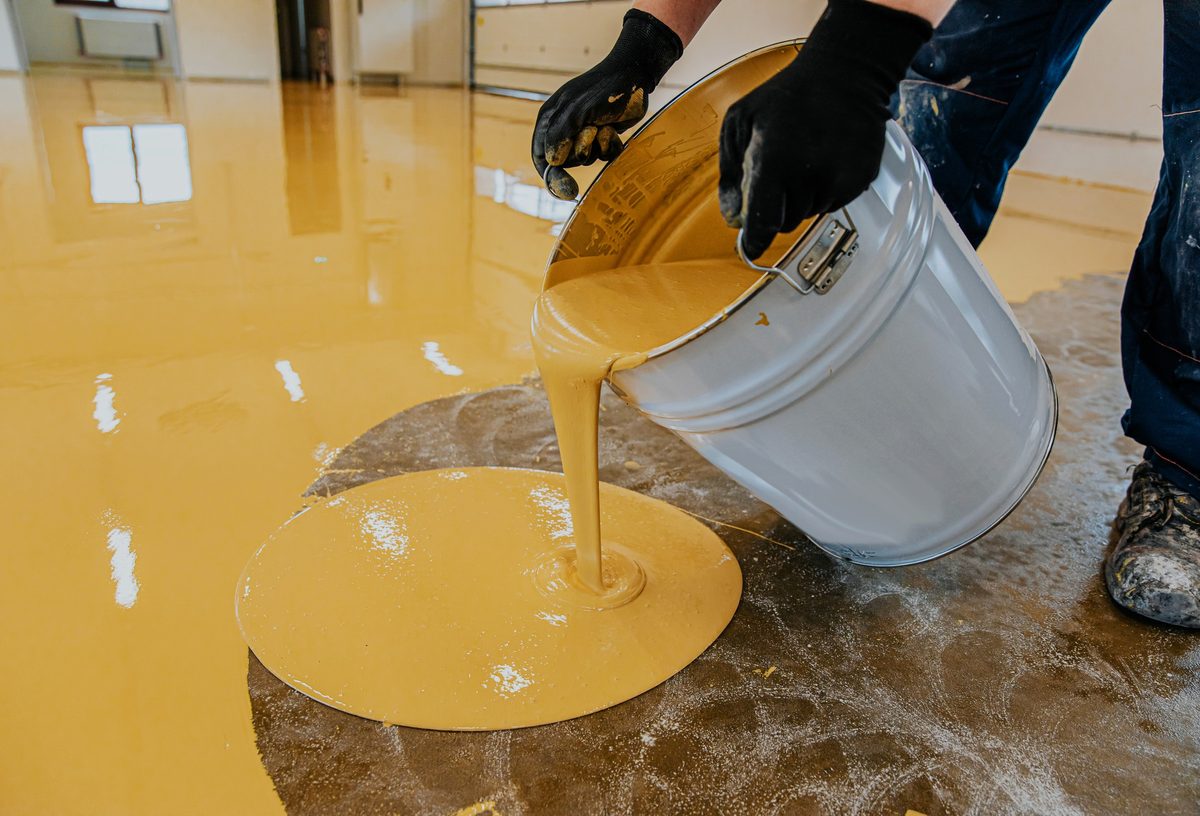
The installer first reviews the slab, use, and preferred flake blend. Concrete is mechanically prepared to remove weak surface material and create the required profile. Oil, old coatings, cracks, and moisture conditions are addressed according to the project specification. The basecoat is applied, flakes are broadcast to the agreed coverage, and loose chips are removed after cure. A clear topcoat seals the surface. The floor must then cure for the specified foot-traffic and vehicle-traffic periods.
Why Professional Installation Matters
Flake floors can look simple, but even broadcast consistency, edge detailing, and topcoat coverage matter. Poor preparation can lead to peeling; uneven broadcast can create thin spots; and an unsuitable topcoat may yellow or wear prematurely. Professional installation also helps set the texture so the floor balances traction and cleanability.
Choosing a Contractor in Avondale, Arizona
Ask to see physical samples and clarify the flake size, blend, coverage, basecoat color, topcoat, and finish sheen. Confirm whether crack repair, stem walls, steps, and vertical surfaces are included. Ask about UV stability, slip resistance, cleaning guidance, and vehicle-ready time. Compare full system specifications and preparation details, not just a color name or a promise of fast completion.
How flake coverage changes the result
A full broadcast creates a dense chip pattern and can reduce the visibility of the basecoat. A partial broadcast leaves more base color visible and often produces a different visual rhythm. Chip size and topcoat build affect texture, so ask to compare actual examples instead of relying on the blend name alone.
Choosing a color blend
Consider the garage door, cabinetry, wall paint, lighting, and the color of dust commonly tracked inside. Neutral blends tend to coordinate with many spaces, while higher-contrast blends create a stronger feature. Confirm the chosen blend in writing before work starts.
Surface texture and cleanability
Flake floors can be finished with different levels of texture. More texture may help with traction but can make fine dust and dirt harder to remove. A smoother topcoat can be easier to mop but may be less suitable for wet conditions. Choose texture based on how the floor is used and cleaned, rather than assuming the roughest finish is always safest.
What the topcoat contributes
The clear topcoat does more than create gloss. It locks in the decorative flakes and can contribute to abrasion resistance, UV stability, stain resistance, and slip characteristics. The right choice depends on indoor or outdoor exposure and the traffic expected. Ask which topcoat is included and whether an additional wear layer is recommended for the space.
Edges, steps, and vertical surfaces
A floor may look seamless across the main area but need special detailing at door thresholds, steps, stem walls, drains, and transitions to other flooring. Confirm whether these areas are included in the quote and how the coating will terminate. Details matter for both appearance and durability, especially where water or dirt collects.
Repair and future maintenance
A damaged section can sometimes be repaired, but a patch may not reproduce the original flake distribution exactly. Keep a record of the blend name and products used. Follow the maintenance instructions, protect the floor from sharp impacts, and address worn topcoat areas before the base layer becomes exposed.
Why Choose Epoxy Flooring Avondale AZ
Epoxy Flooring Avondale AZ can help property owners evaluate decorative flake options with attention to the practical details behind the finish. A good selection considers color, texture, sun exposure, cleaning habits, and the demands placed on the slab. We aim to make those trade-offs clear so the finished floor fits both the design and the use of the space.