Residential Applications
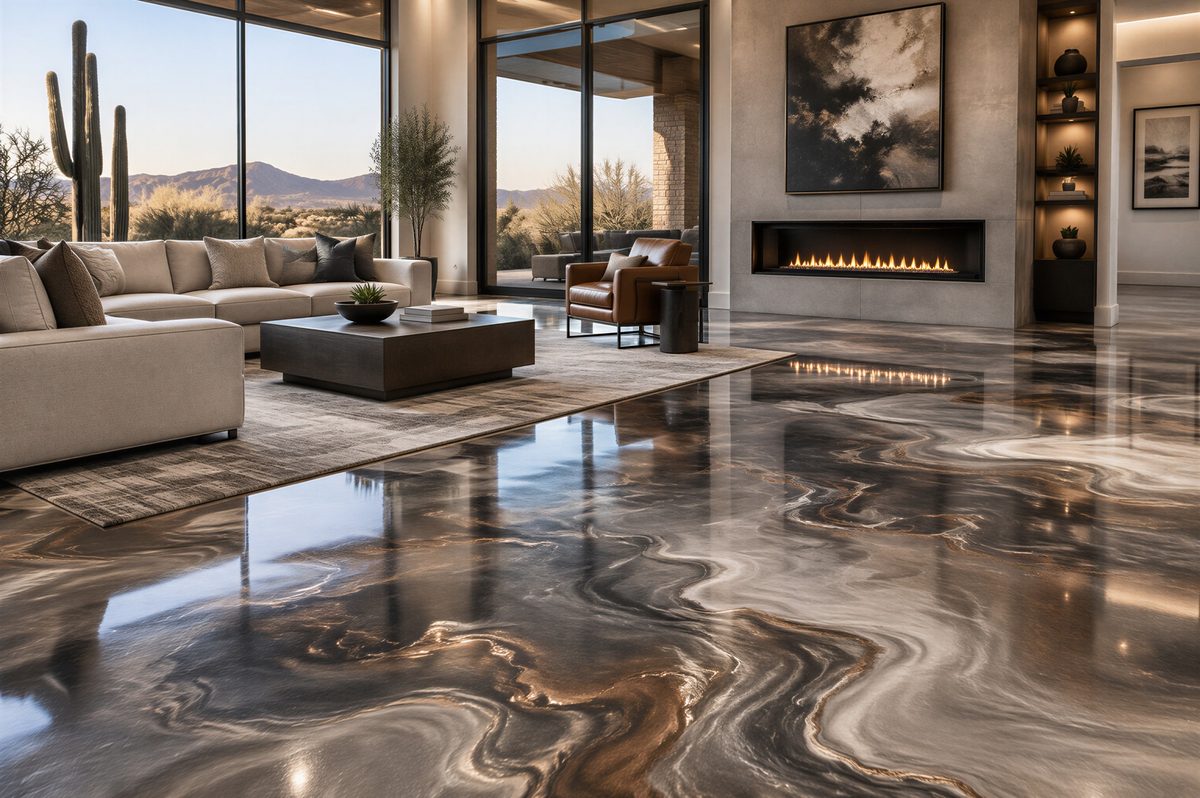
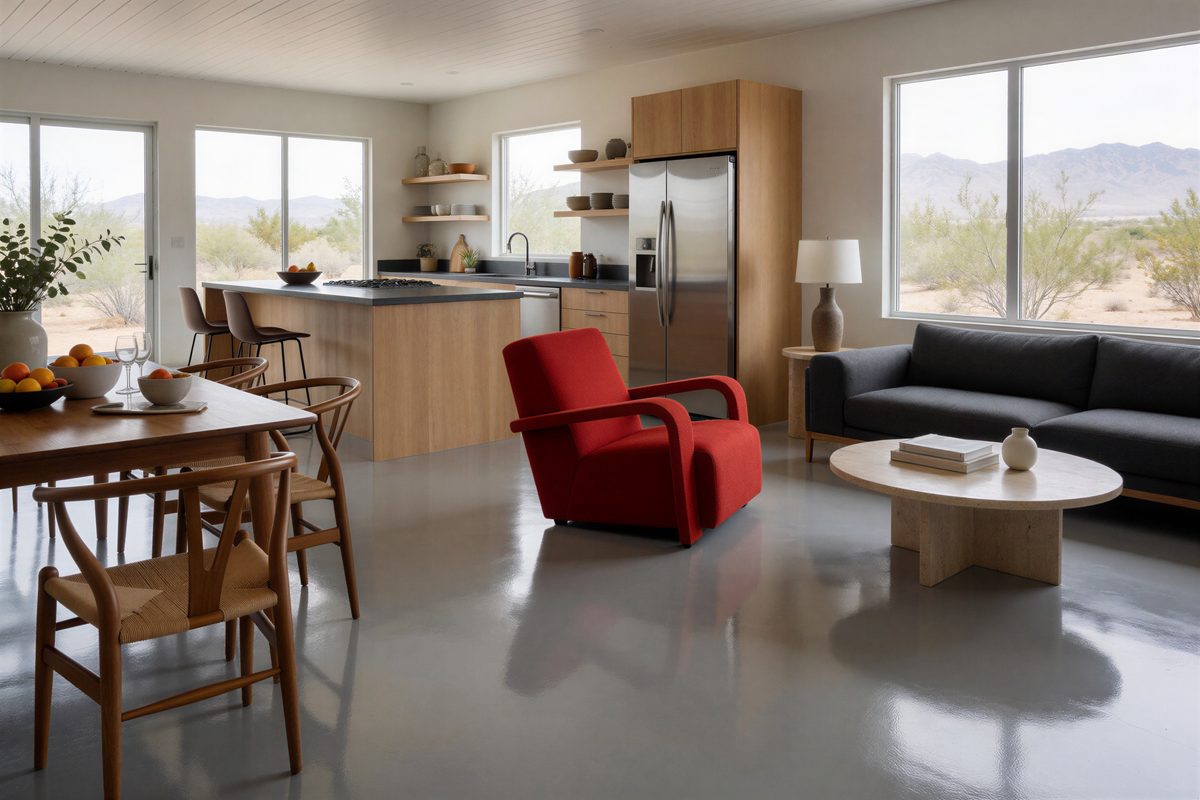
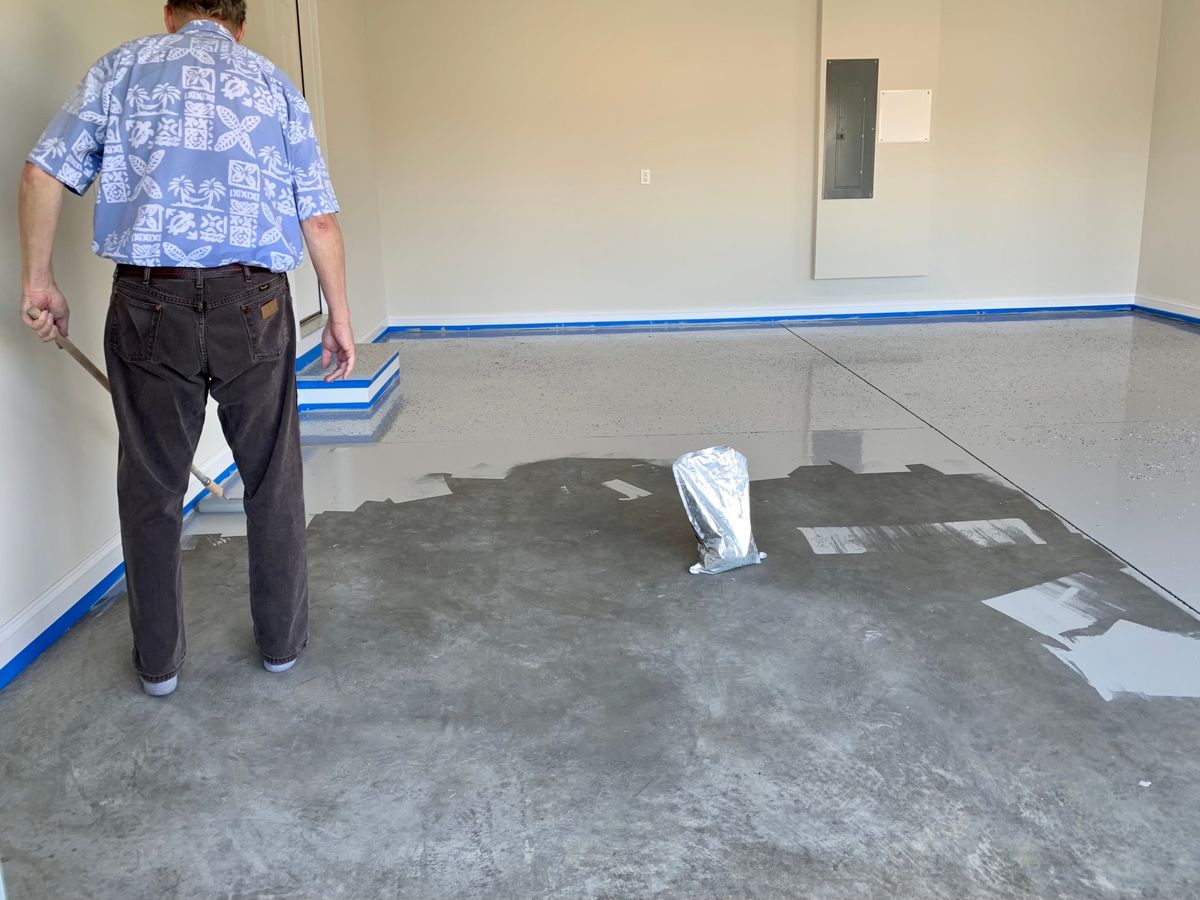
In homes, metallic epoxy may suit selected interior concrete areas, home studios, modern living spaces, or garages where a bold finish is desired. It may not be the most practical choice for every family area: a very glossy surface can highlight dust and fine scratches, and traction needs attention where floors may get wet. Sunlight through windows can also affect some epoxy pigments and resin layers, so UV exposure should be discussed before choosing a system.
Commercial Applications
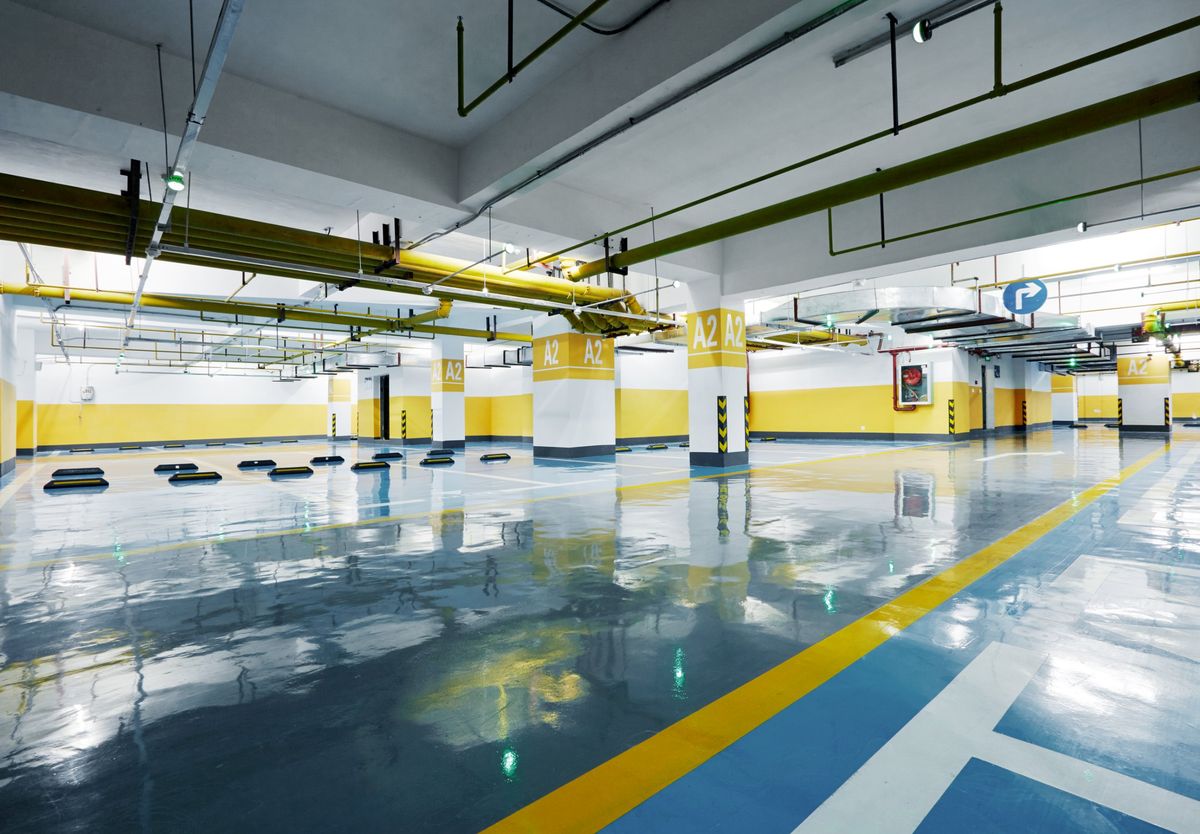
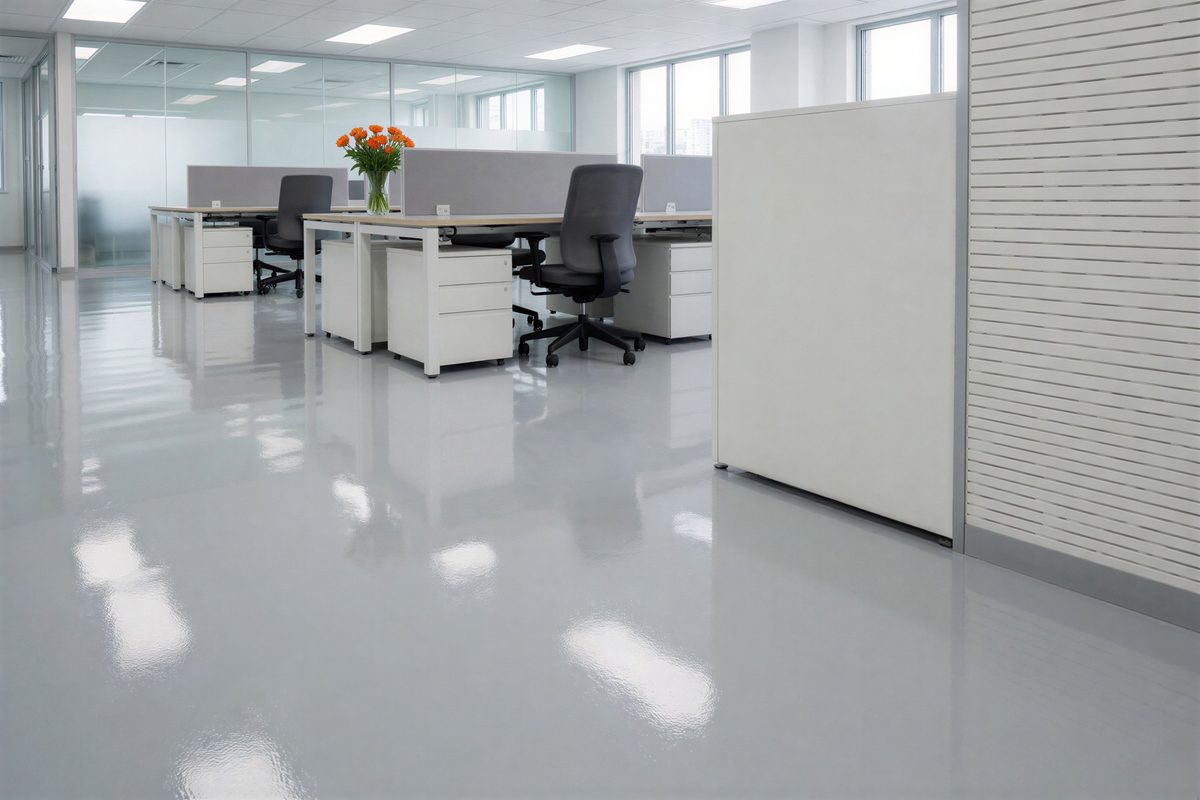
Commercial uses may include showrooms, reception areas, studios, boutiques, and design-focused offices. The floor's visual impact can be strong, but high traffic, rolling displays, abrasive grit, cleaning chemicals, and sunlight should influence the topcoat and maintenance plan. For heavy industrial environments, a decorative metallic system may not be the best match unless the product assembly is specifically designed for the exposure.
Common Applications
Potential applications include showrooms, reception spaces, boutique retail interiors, creative studios, selected home interiors, and decorative garage floors. Metallic epoxy is generally best considered for interior spaces with controlled conditions. Exterior slabs and areas with substantial direct sunlight require special caution and often a different UV-stable system.
Materials, Finishes, and System Options
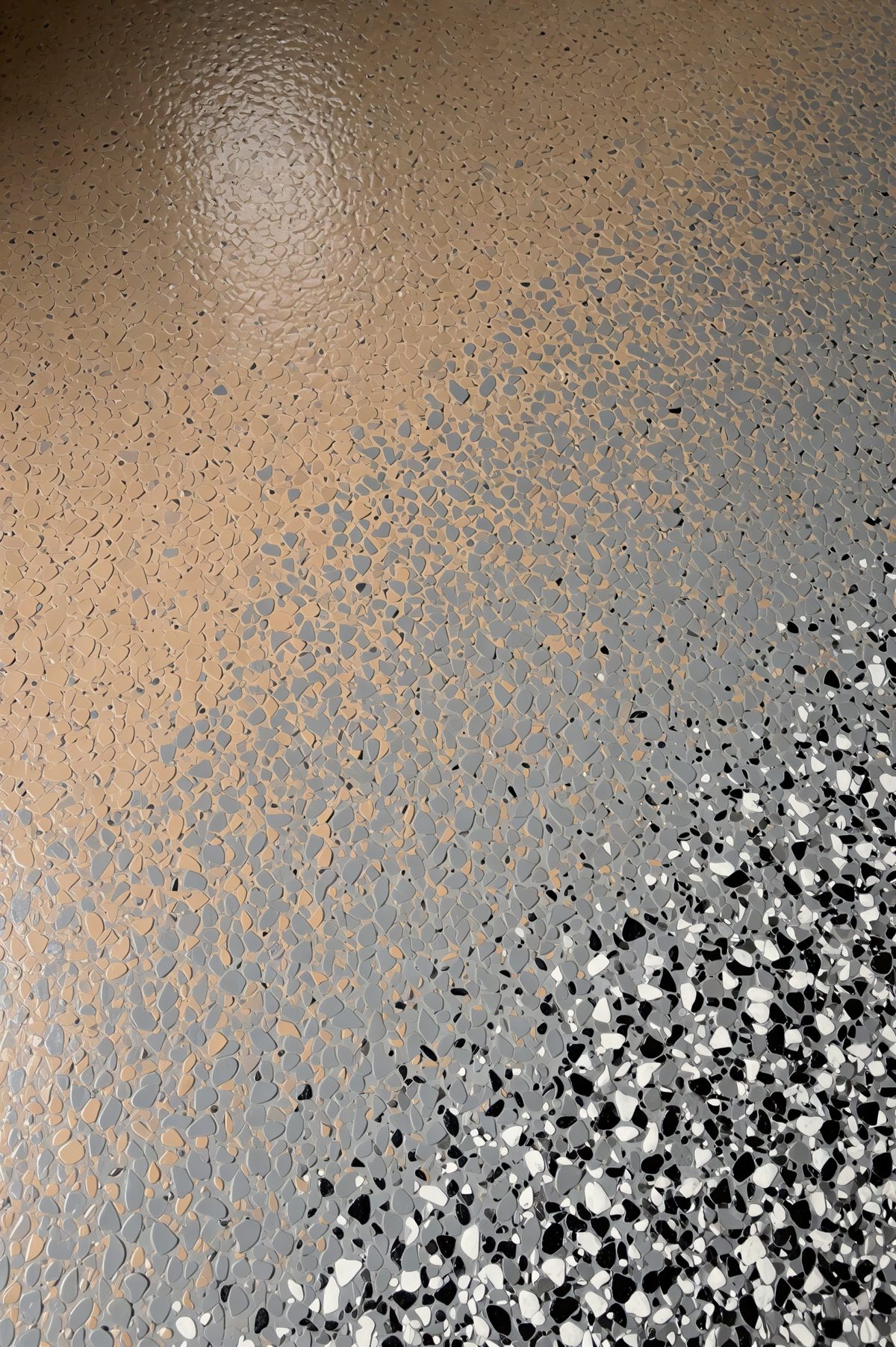
Design options include dark or light base colors, single or blended metallic pigments, high-contrast movement, subtle clouding, and different gloss levels. A compatible clear topcoat can change the final sheen and add wear protection. Some systems can include traction additives, although these may soften the mirror-like appearance. Ask for installed examples or physical samples and remember that lighting angle, room size, and daylight change how metallic movement appears.

Our Typical Installation Process
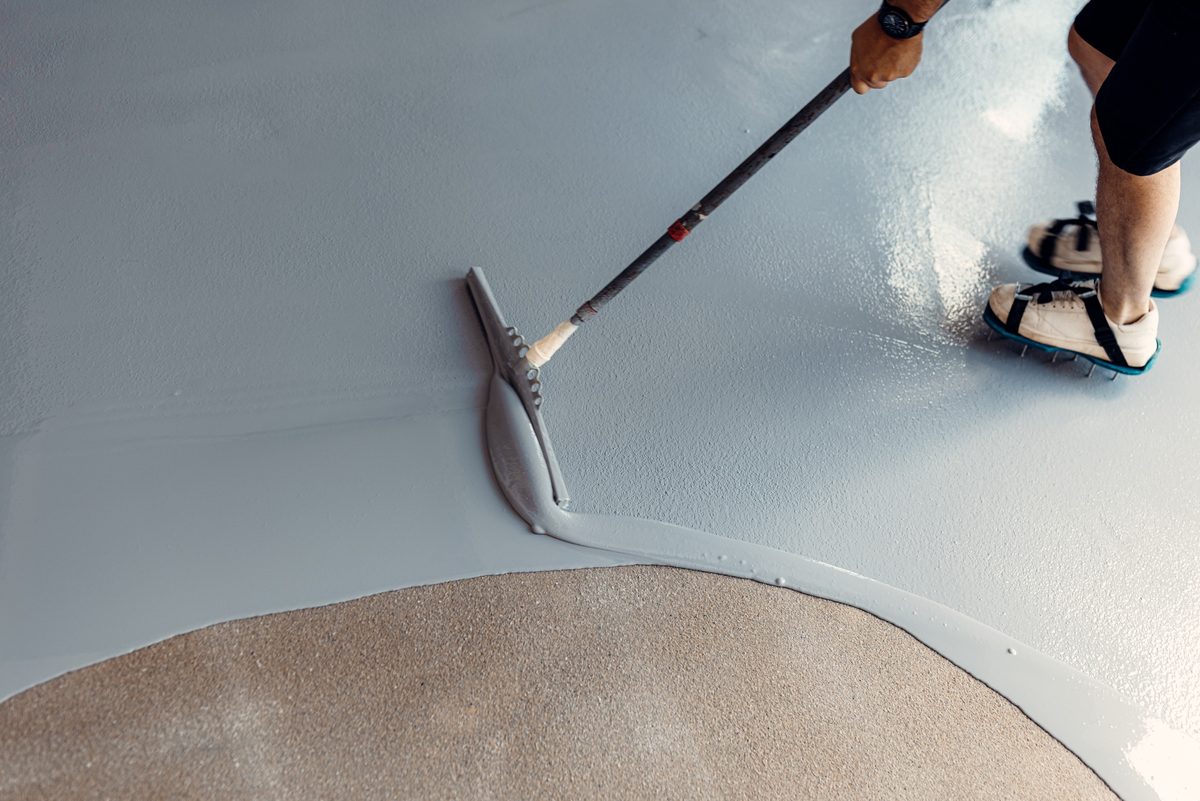
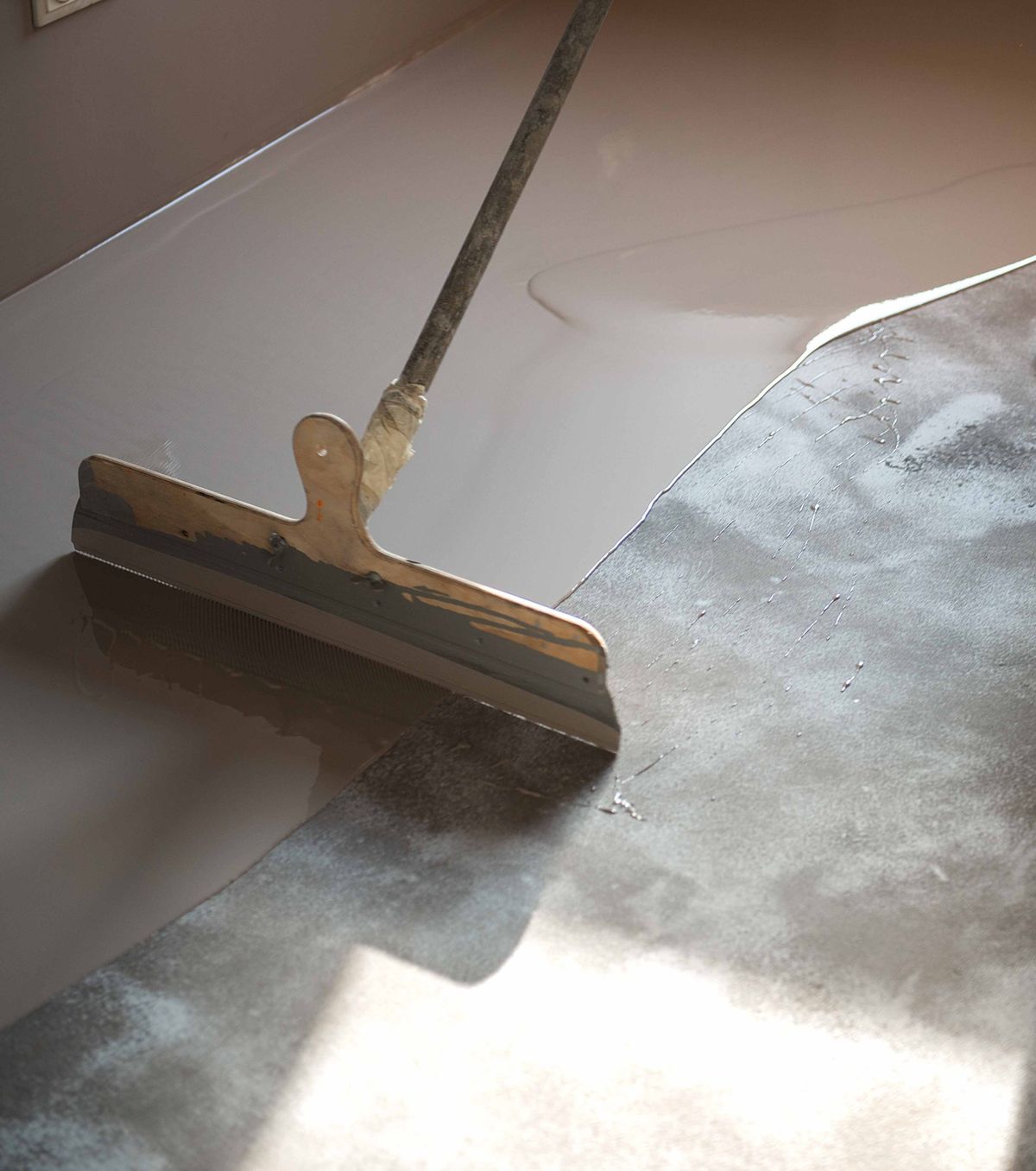
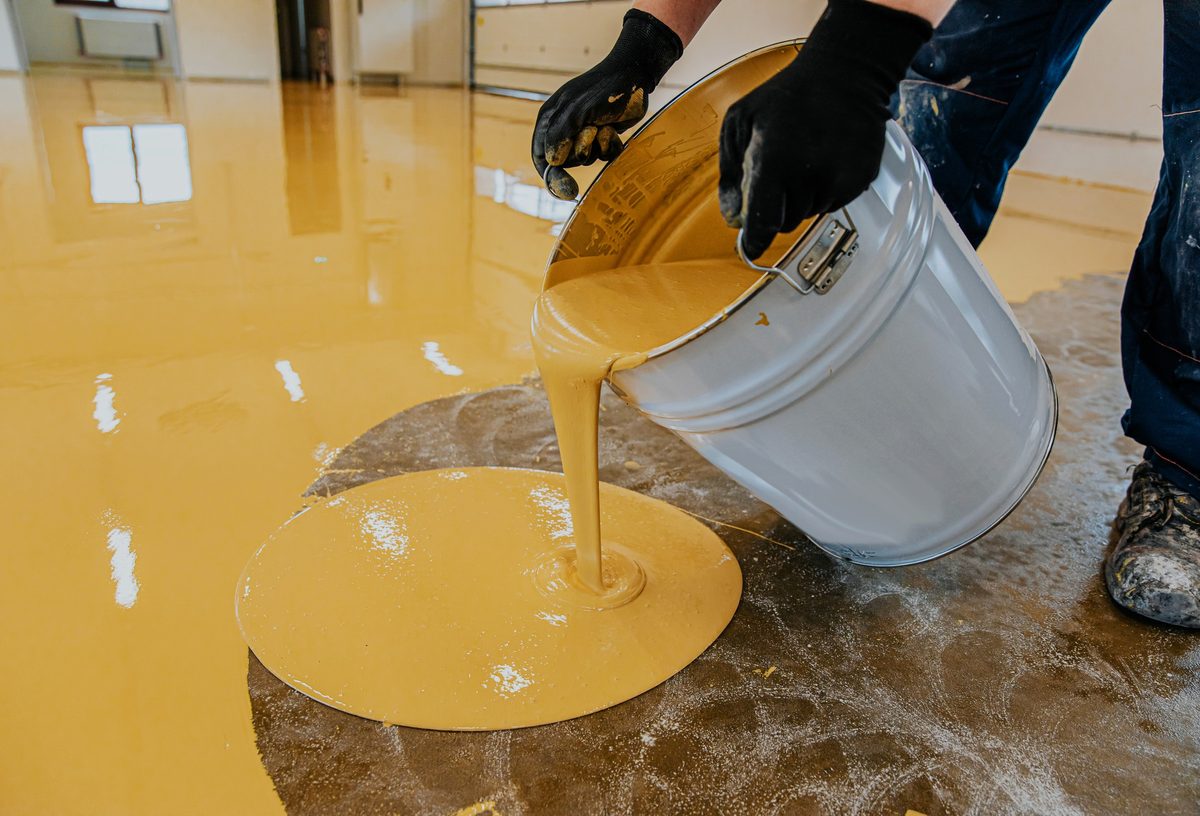
A typical project begins with design discussion and a review of the room's lighting, traffic, and concrete condition. The slab is mechanically prepared; cracks, joints, moisture, and contamination are addressed as specified. A primer or base layer is installed, followed by the metallic epoxy and pigment manipulation. Once the design layer cures, a compatible clear topcoat may be applied. The floor must remain undisturbed for the specified cure period. The contractor should explain that the exact swirls and pigment movement will vary from sample to installed floor.
Why Professional Installation Matters
Metallic epoxy requires both technical installation skill and decorative judgment. Uneven preparation, uncontrolled material flow, inconsistent pigment distribution, or poor topcoat application can affect the look. Since the pattern is created in the wet material, planning and timing matter. Professional installation also helps manage moisture, cracks, and UV-related limitations that a decorative sample cannot reveal.
Choosing a Contractor in Avondale, Arizona
Ask to review samples under lighting similar to the project space. Clarify the base color, pigment blend, number of layers, topcoat chemistry, finish sheen, slip resistance, and repair approach. Ask how the contractor handles cracks, joints, moisture, and sunlight exposure. Confirm what is included around edges, doorways, and transitions, and get written care instructions. Avoid assuming a photo guarantees an identical pattern.
Lighting and sample review
Metallic pigments reflect light differently depending on the direction and intensity of illumination. A sample viewed under showroom lighting may look different beside a window or under overhead LEDs. Review colors in the actual room when possible and agree on the general pattern style rather than expecting identical swirls.
Repairs and future changes
A localized patch may not blend perfectly into the original metallic movement. Protect the floor with appropriate furniture pads and cleaning methods, and ask the installer how repairs would be handled if a future impact or renovation damages the surface.
Design expectations and color movement
Metallic floors are created through pigment movement in a wet resin layer, so pattern variation is expected. The installer may guide the movement, but cannot promise that every swirl will match a photograph. Agree on a general design direction, color family, and level of contrast. Review sample boards under similar lighting and consider how furniture will cover parts of the floor.
The importance of the protective topcoat
The decorative epoxy creates the visual pattern, while the topcoat contributes to the final sheen and protection. A topcoat may improve resistance to abrasion or selected spills, but it does not make the floor immune to scratches. Confirm whether the clear layer is UV-stable and suitable for the traffic and cleaning products expected.
Lighting, reflections, and room size
Glossy metallic surfaces reflect windows, lights, and nearby objects. The same floor can appear darker or more dramatic from one angle than another. In a room with strong sunlight, discuss UV exposure and changing reflections. In busy spaces, consider whether a high-gloss finish will make dust and small marks more noticeable.
Maintaining a decorative surface
Use a soft broom or dust mop to remove grit and clean with a compatible neutral cleaner. Avoid abrasive powders, harsh solvents, and dragging furniture. Use protective pads beneath furniture and equipment. If damage occurs, consult the installer before using a repair kit that may not bond to the existing chemistry.
Why Choose Epoxy Flooring Avondale AZ
Epoxy Flooring Avondale AZ can help you evaluate metallic epoxy as both a design feature and a functional floor system. We encourage customers to consider the space's light, traffic, cleaning needs, and slab condition before selecting a dramatic finish. The aim is to choose a look that works in the real room and understand the limitations as well as the visual benefits.