Residential Applications
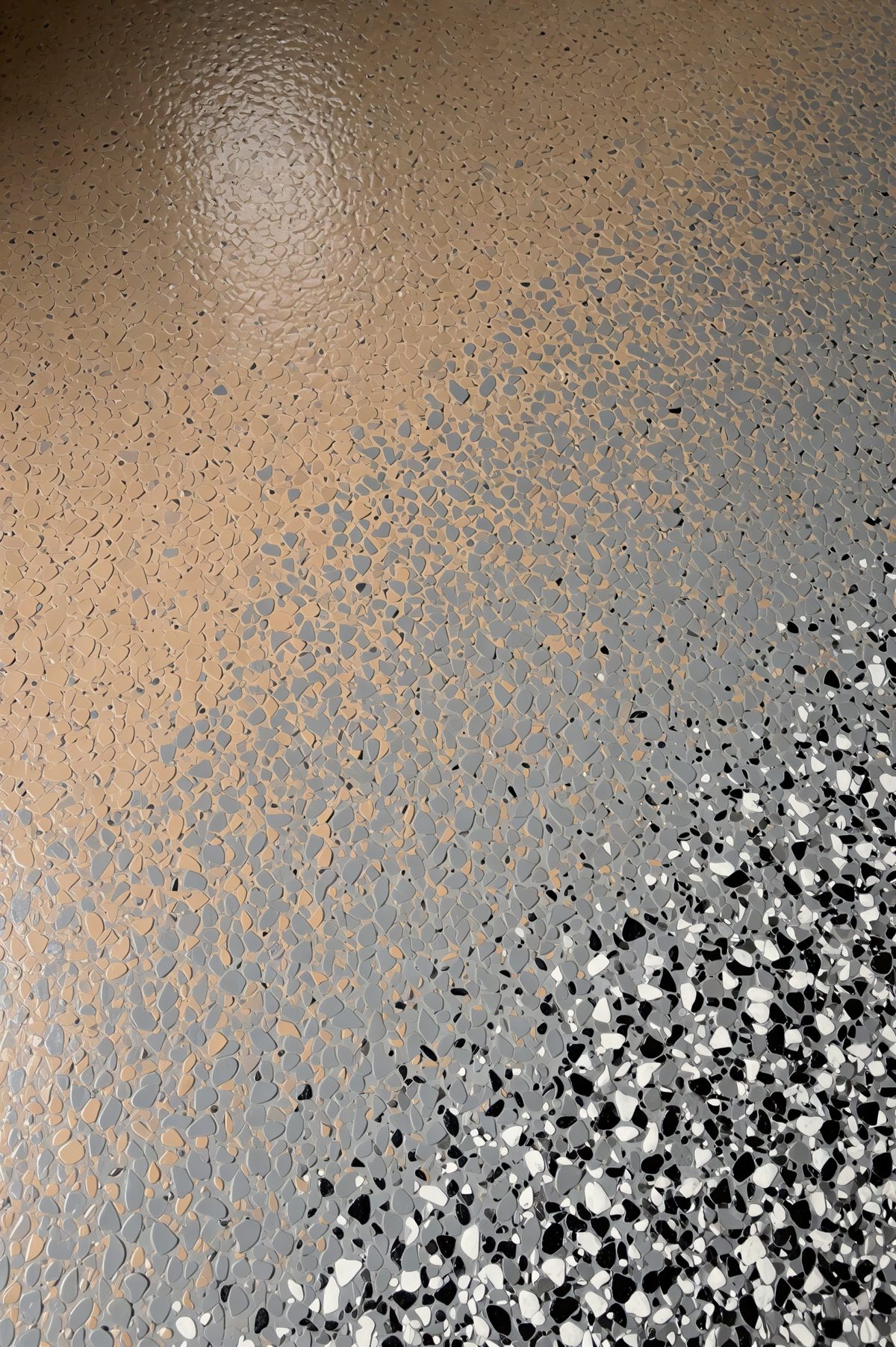
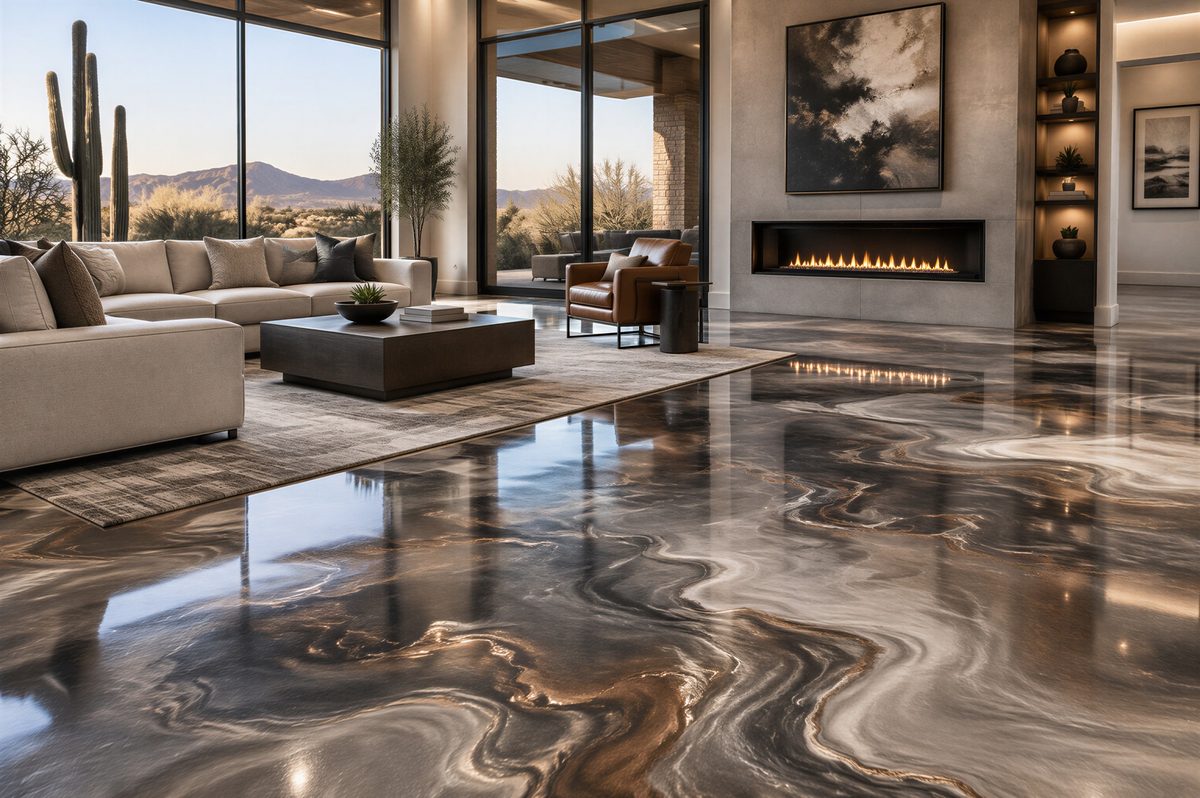
For residential properties, polyurea is often considered for garage floor coating systems where rapid cure is desirable. Decorative flakes and a UV-stable topcoat may be used to create a finished surface. Homeowners should ask about the exact basecoat and topcoat, ventilation, odor, hot-tire resistance, and when vehicles can return. A fast installation schedule is useful only when preparation and cure requirements are also met.
Commercial Applications
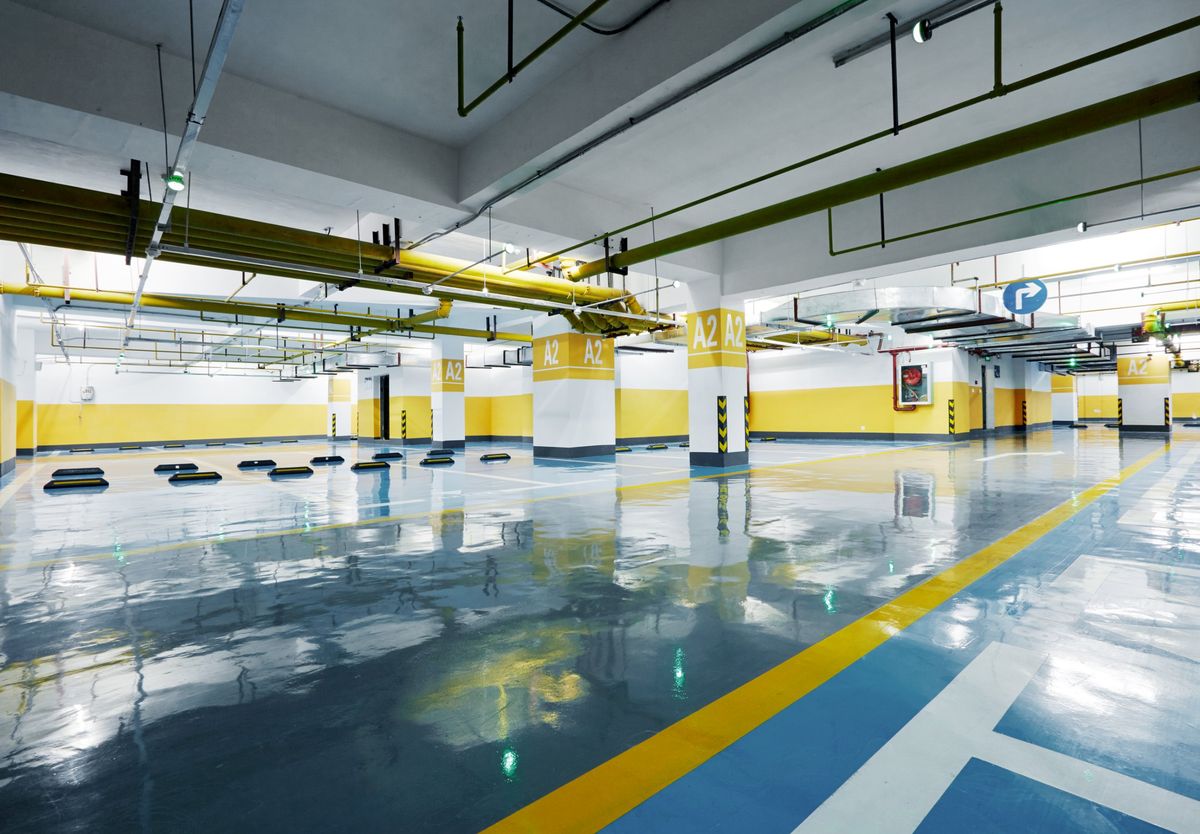
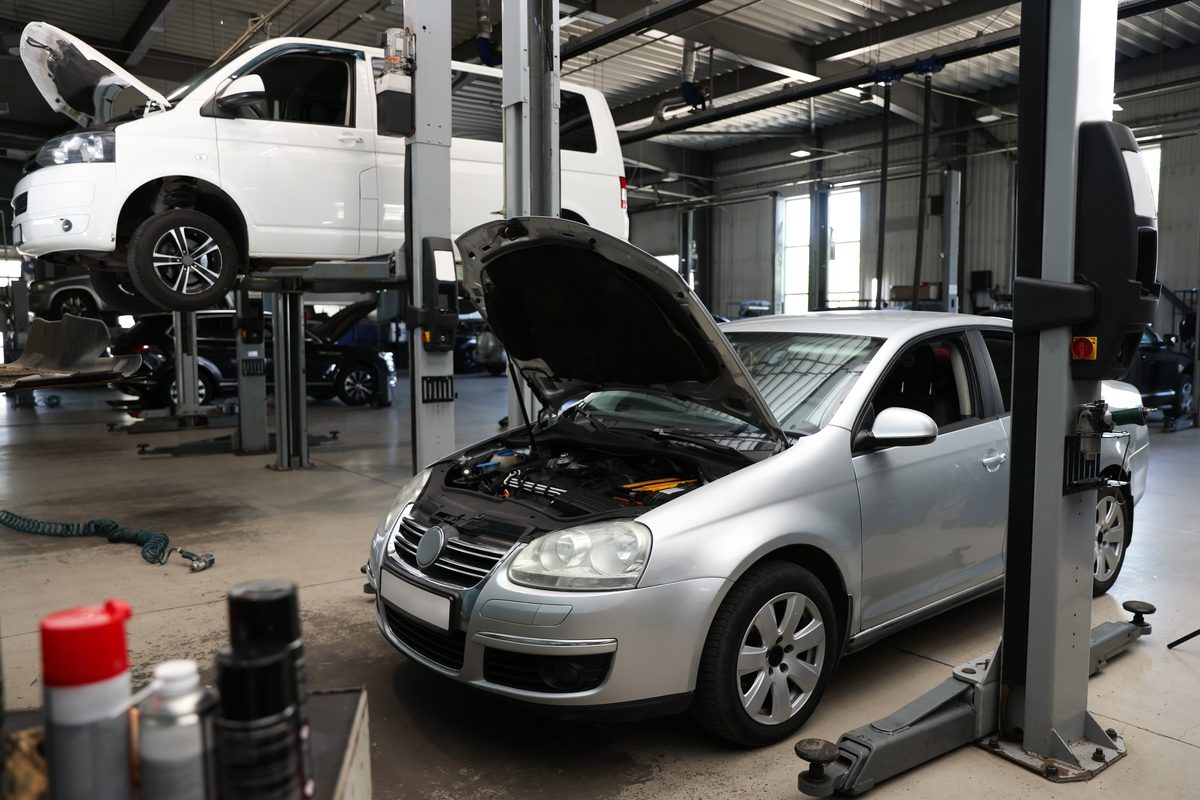
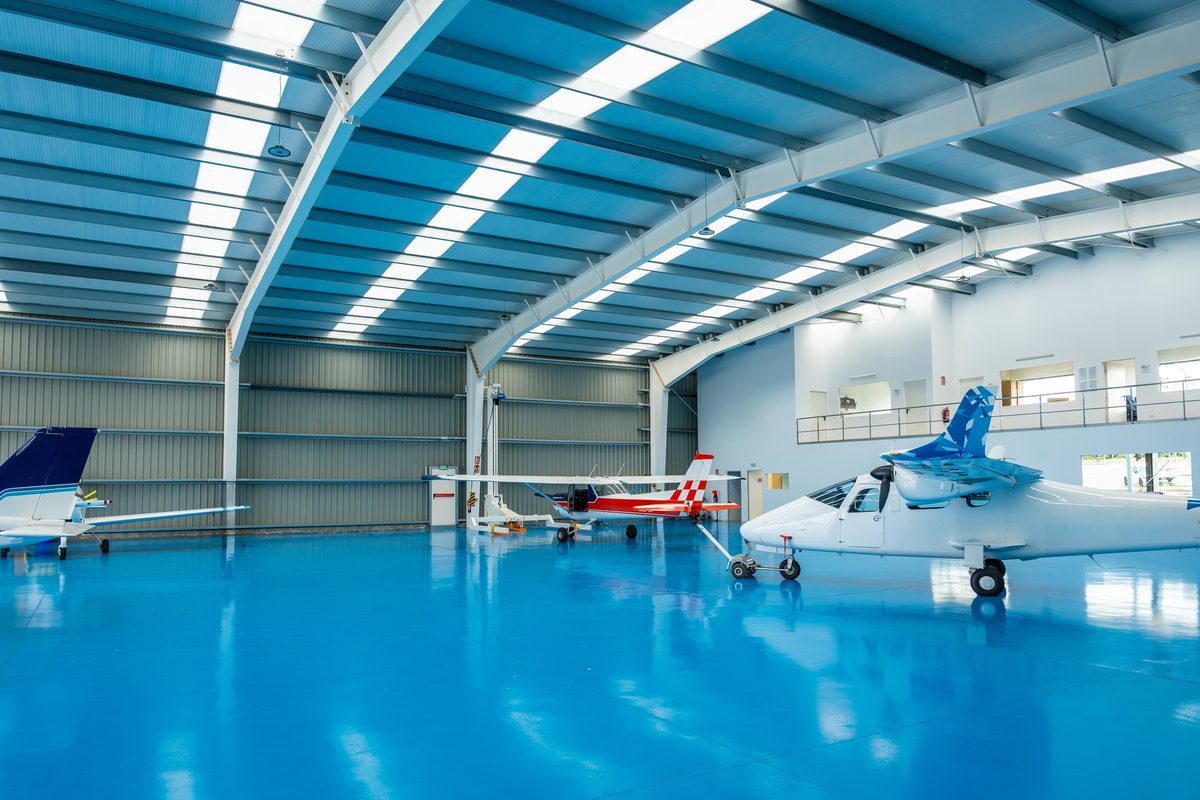
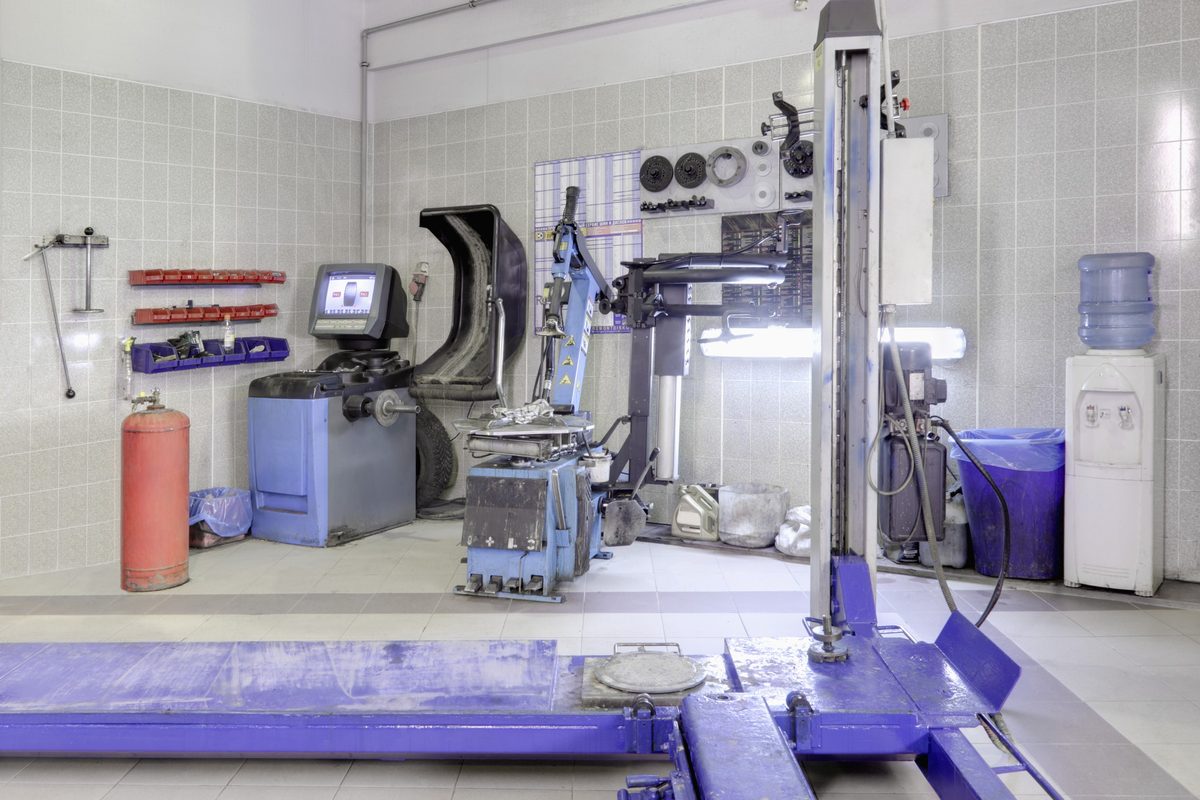
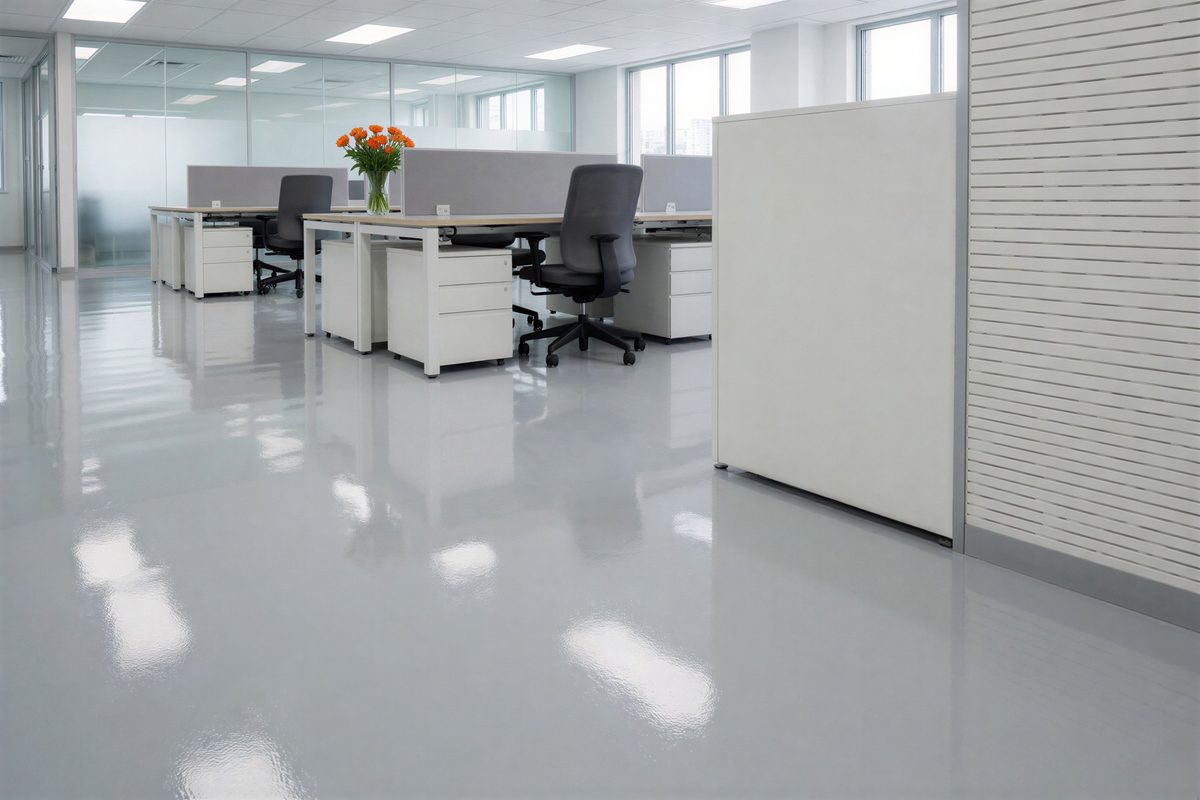
Commercial and industrial applications may include service areas, selected production spaces, and floors that need flexibility or quick turnaround. Suitability depends on the product's resistance to the facility's chemicals, temperatures, traffic, and cleaning practices. For heavy equipment, forklift loads, or continuous chemical exposure, the system should be engineered around those conditions rather than selected solely because it contains polyurea.
Common Applications
Potential uses include garage flooring, selected commercial floor systems, crack-bridging or waterproofing layers where designed for that purpose, and protective applications specified by the manufacturer. Polyurea products vary widely: a spray-applied membrane is not automatically an appropriate exposed floor finish, and a garage coating is not automatically suitable for industrial containment.
Materials, Finishes, and System Options
Options vary by chemistry and application method. Polyurea may be used as a base layer under decorative flakes, paired with a polyaspartic topcoat, or specified in a purpose-built protective system. Compare aromatic versus aliphatic chemistry, UV exposure, elongation, abrasion resistance, chemical resistance, film thickness, application equipment, cure time, and temperature range. Ensure the proposed primer and topcoat are chemically compatible.

Our Typical Installation Process
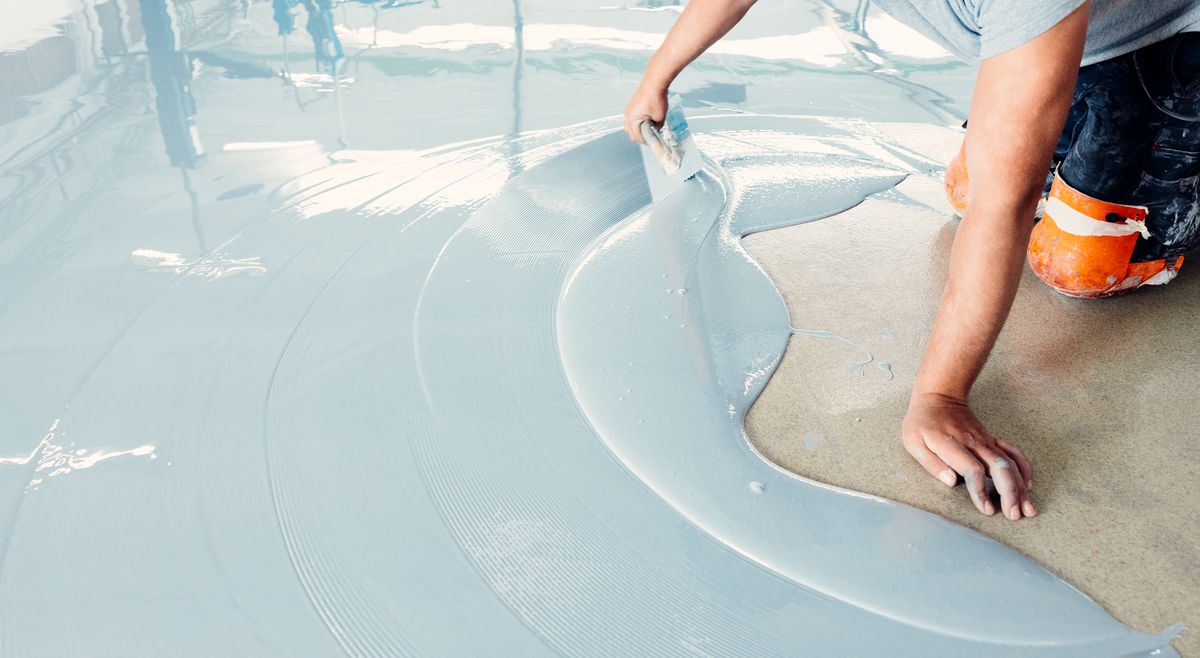
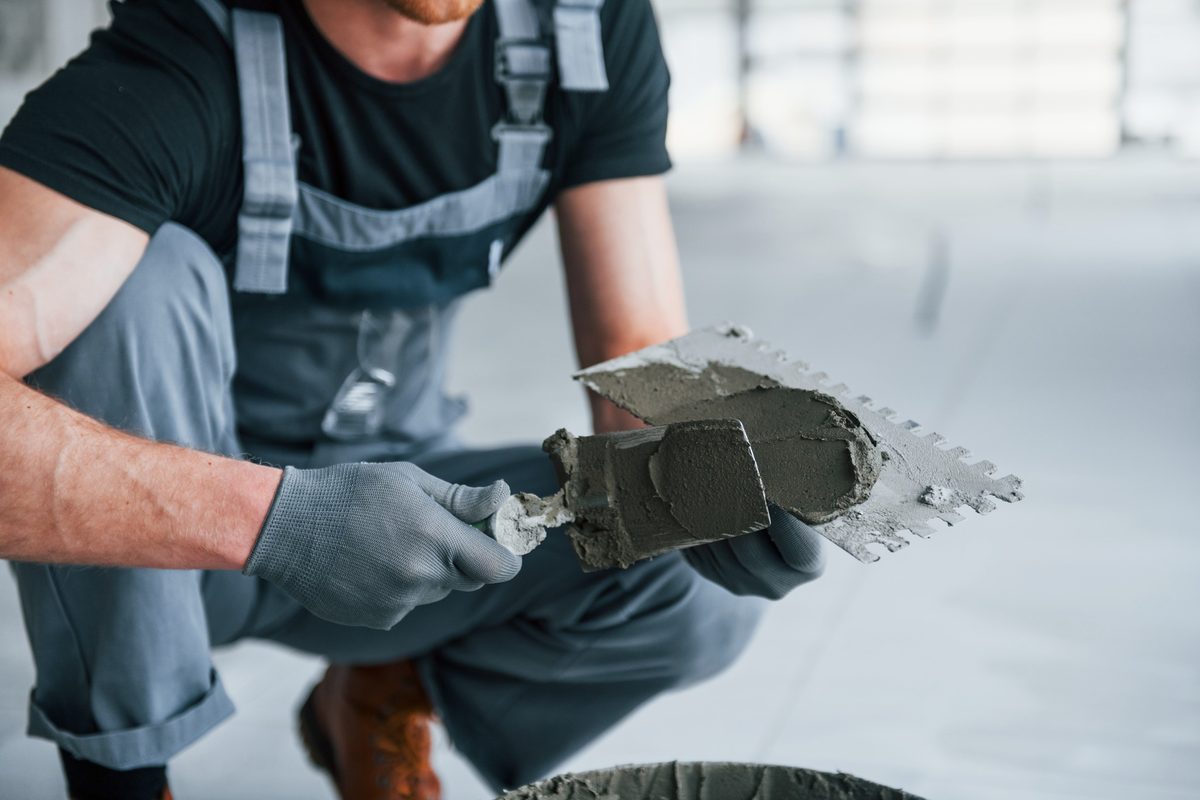
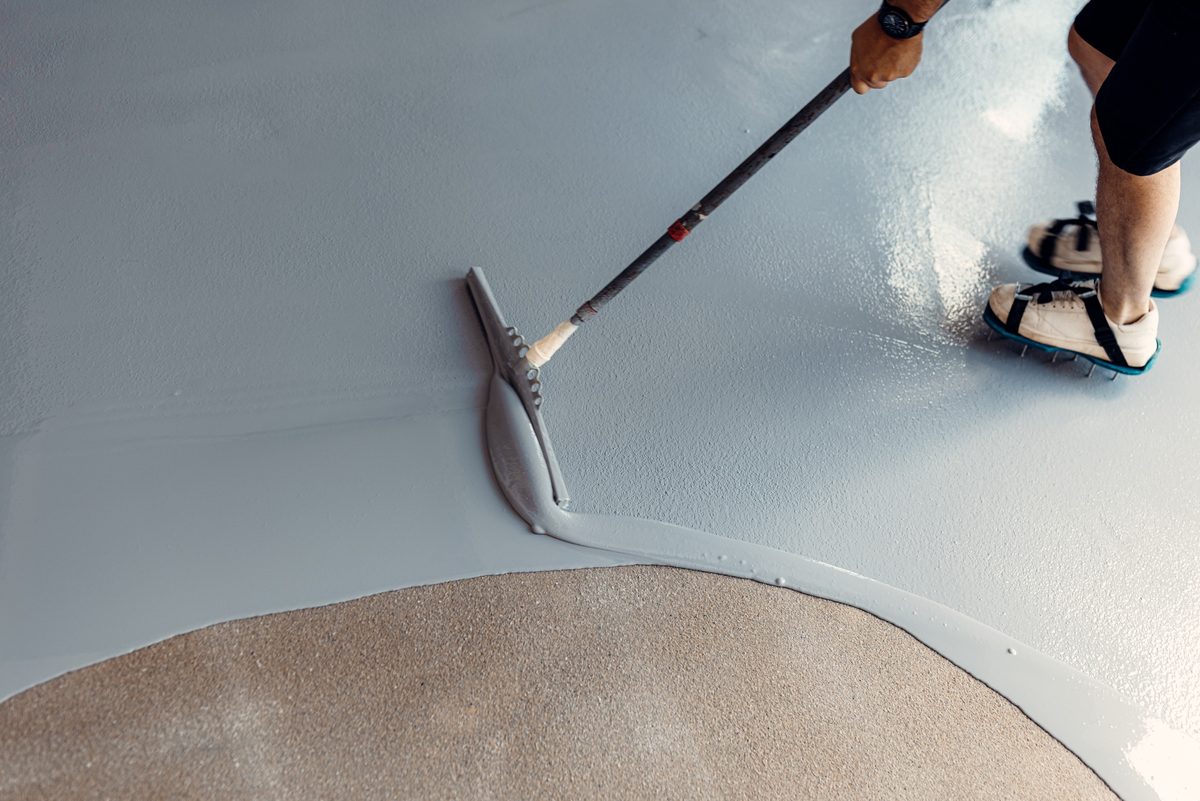
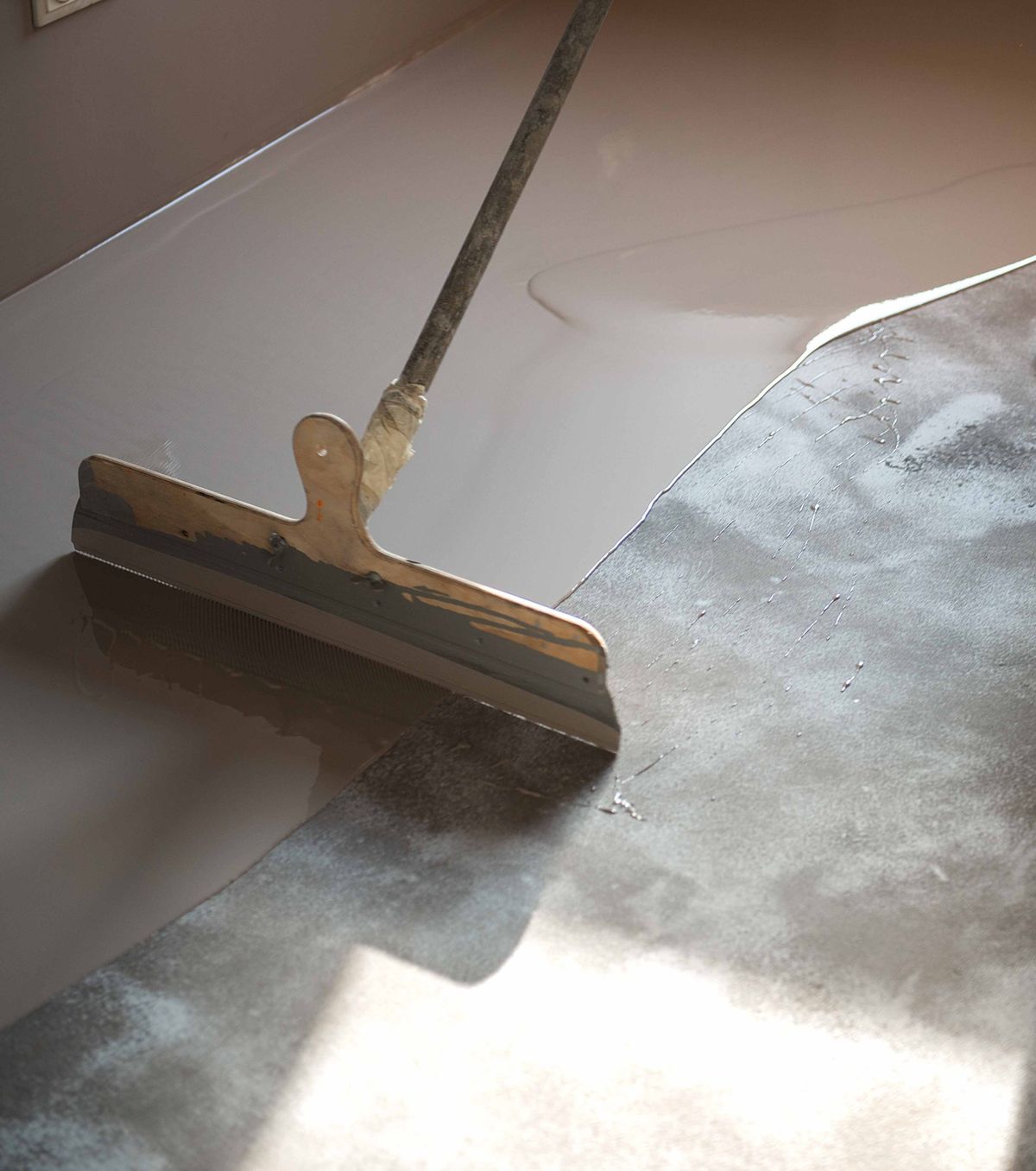
A typical project begins with defining the service conditions and checking the concrete. The slab is prepared mechanically, with cracks, joints, contamination, and moisture evaluated according to the system. The selected polyurea is mixed and applied within its working time, sometimes with specialized equipment depending on formulation. Decorative materials or a compatible topcoat follow if specified. Because cure can be rapid, the installer must carefully control coverage, transitions, and timing. The area remains closed until the product reaches the required traffic cure.
Why Professional Installation Matters
Rapid reaction can make polyurea unforgiving if the installer is not prepared. Incorrect ratios, poor substrate preparation, moisture, inconsistent film thickness, or incompatible layers can compromise performance. Some formulations require specialized equipment and training. A qualified installer should explain why the chosen product is appropriate for the intended exposure and how the complete assembly will be built.
Choosing a Contractor in Avondale, Arizona
Ask for the product's technical data sheet and intended use, not simply the word 'polyurea.' Confirm whether it is aromatic or aliphatic, the specified layer thickness, UV protection, application method, preparation requirements, and cure times. Discuss safety precautions, ventilation, chemical exposure, and maintenance. Make sure the written estimate identifies each layer and the scope of repairs.
Product chemistry matters
The word polyurea covers products with different application methods and performance characteristics. Aromatic and aliphatic formulations can differ in UV stability, and spray-applied membranes behave differently from roller-applied flooring coatings. Ask for the exact product and intended layer.
Safety and installation controls
Two-component resin products require careful handling and the protective equipment specified by the manufacturer. Some application methods create overspray or require specialized ventilation and equipment. Keep occupants, pets, and unprotected workers away from the work zone as directed.
Layer design and UV protection
A polyurea basecoat may be covered with decorative flakes and a UV-stable topcoat to improve appearance and performance. If the product is aromatic, direct sunlight may change its color. Ask how UV exposure is addressed and whether the proposed topcoat is compatible. The full assembly should be evaluated as a system rather than as a single material.
Planning for rapid cure
Fast cure can shorten the time a floor is unavailable, but it also limits how much material can be applied and corrected at once. Preparation, masking, edge work, and mixing need to be completed before the material is activated. Confirm the planned sequence and how the crew will manage transitions, stairs, corners, and other detailed areas.
Where polyurea is not automatically the answer
A product designed for waterproofing, joint filling, or spray-applied protection may not provide the same finish or wear performance as a floor coating. Likewise, a residential garage system may not be appropriate for heavy manufacturing. Match the exact product to the service environment and ask for evidence in the technical data sheet.
Care and inspection
Use non-abrasive cleaning methods recommended by the manufacturer and promptly remove contaminants. Inspect edges, joints, and areas exposed to repeated impacts. If a problem appears, identify whether it relates to the coating, substrate, moisture, or traffic before choosing a repair method.
Why Choose Epoxy Flooring Avondale AZ
Epoxy Flooring Avondale AZ can help you understand where a polyurea system may be appropriate and where another resin chemistry may offer a better balance of cost, workability, UV stability, or finish. We emphasize complete system design and realistic installation requirements rather than one-word product claims.