Residential Applications
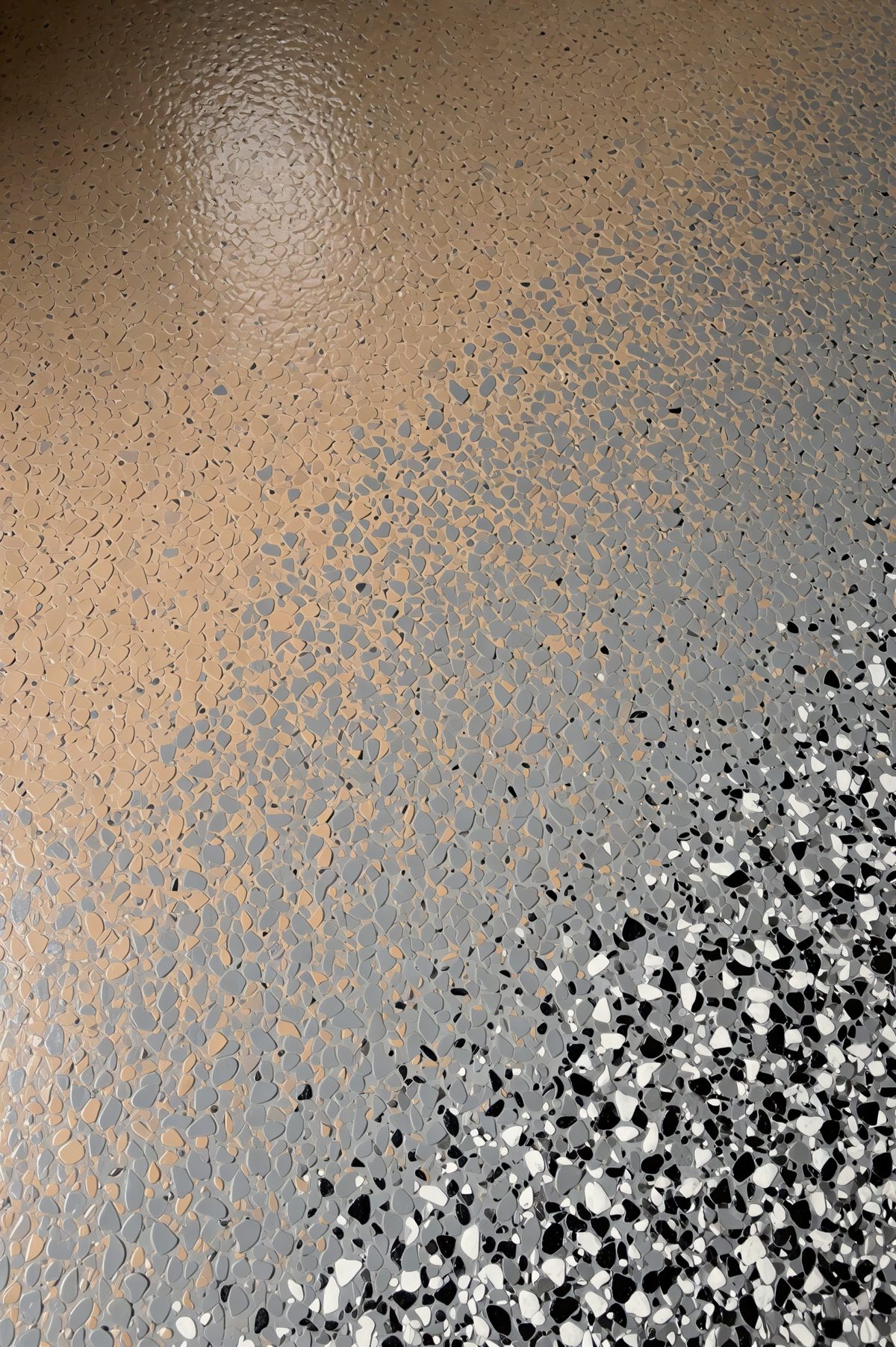
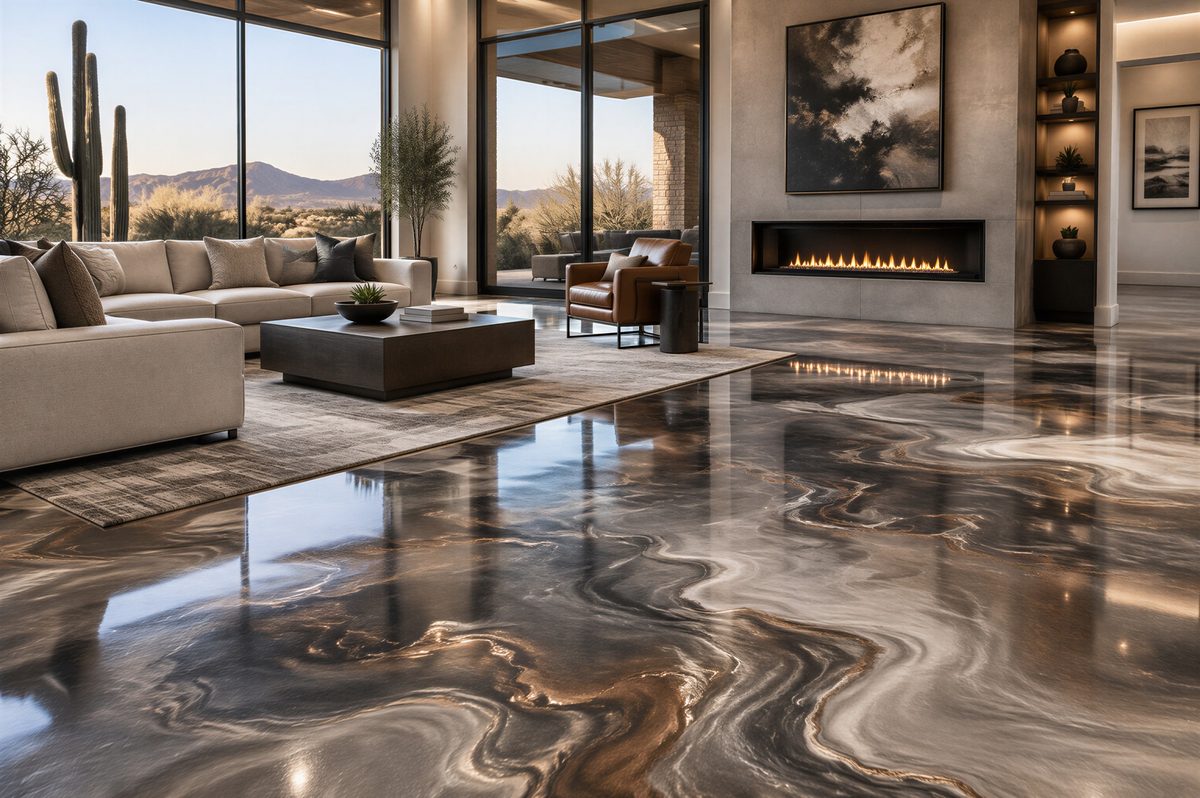
Residential uses often include garages, workshops, and selected outdoor concrete areas when the product is approved for the exposure. Homeowners may favor polyaspartic systems when they need a quick turnaround or want a clear topcoat over decorative flakes. Discuss sun exposure near an open garage door, hot-tire contact, household chemical spills, and slip resistance before deciding.
Commercial Applications
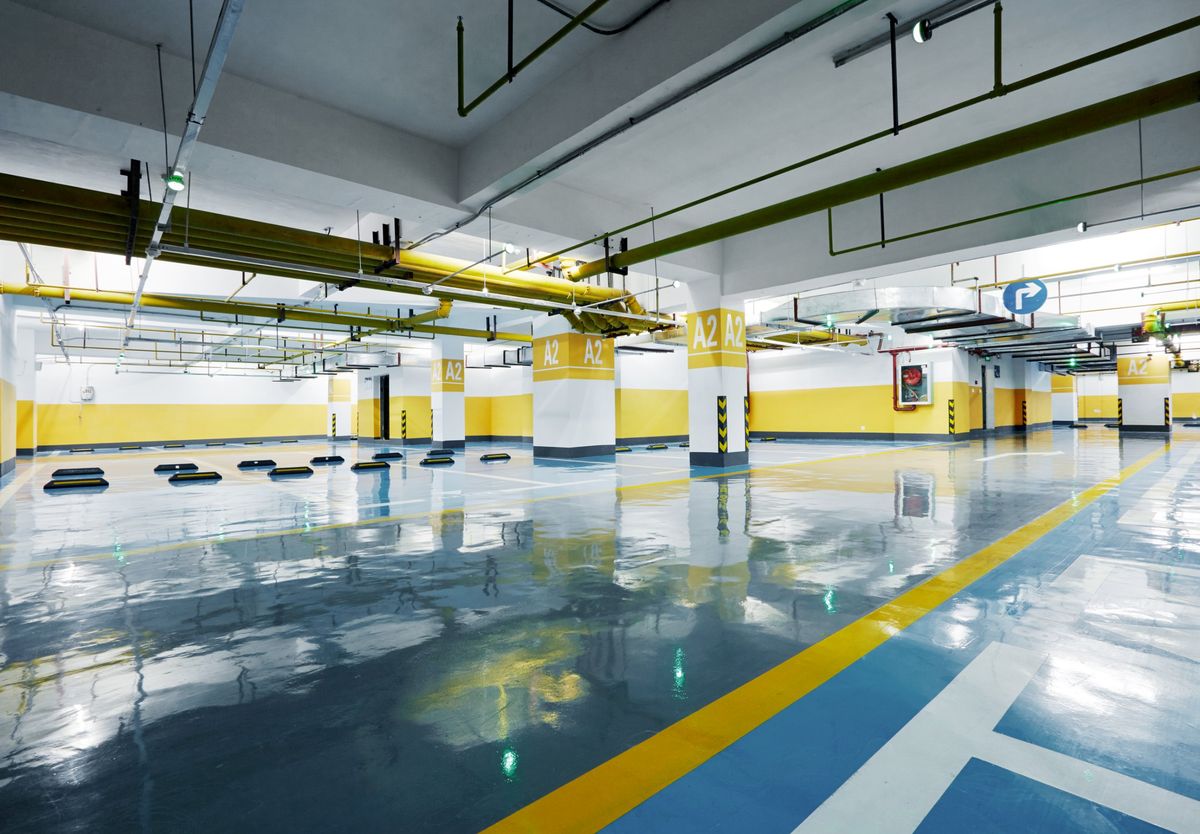
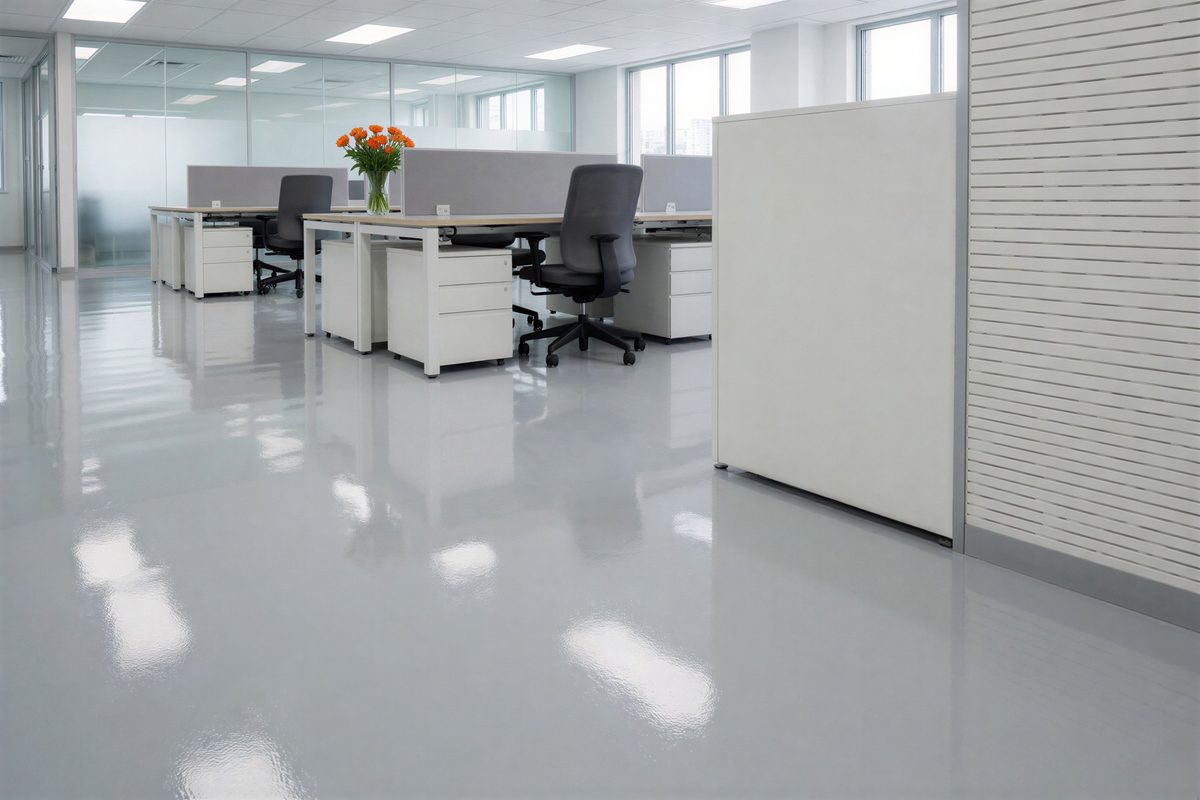
Commercial spaces may benefit from fast-curing coatings when downtime is costly, but the system must still match traffic and exposure. Retail back rooms, service bays, corridors, and some light industrial spaces may be candidates. Heavy industrial loads, high-temperature processes, or specialized chemical exposures require careful product selection rather than assuming polyaspartic alone is sufficient.
Common Applications
Common applications include garage floor systems, decorative flake topcoats, selected patios, service spaces, and some commercial concrete floors. Polyaspartic can also be used in certain solid-color systems. Exterior use depends on product approval and substrate details. For warehouses or high-impact environments, confirm the system's performance under the exact wheel loads and operational conditions.
Materials, Finishes, and System Options
Polyaspartic may be specified as a clear topcoat or, in some formulations, as a pigmented layer. It can be paired with epoxy or polyurea basecoats, flakes, quartz, or compatible aggregates. Compare solids content, UV stability, abrasion resistance, chemical resistance, slip-resistance options, temperature limits, pot life, and recoat windows. A product with a very short pot life demands disciplined staging and experienced application.

Our Typical Installation Process
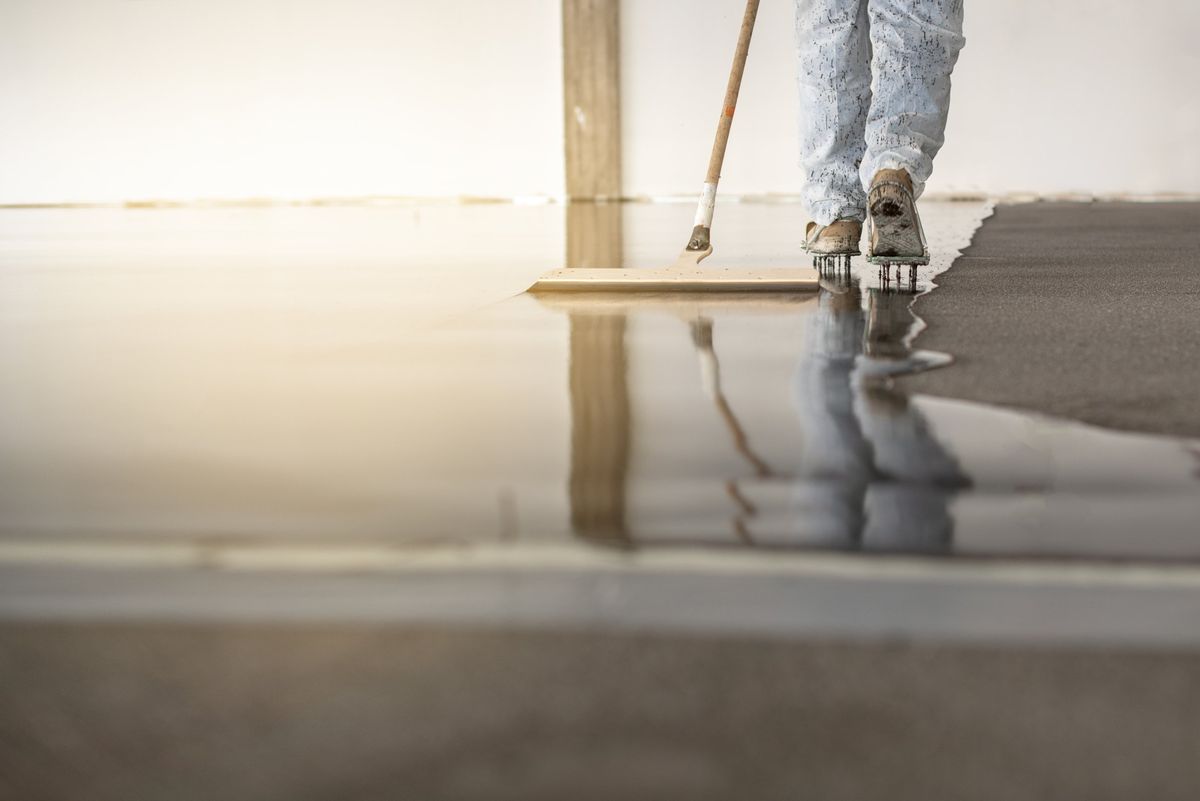
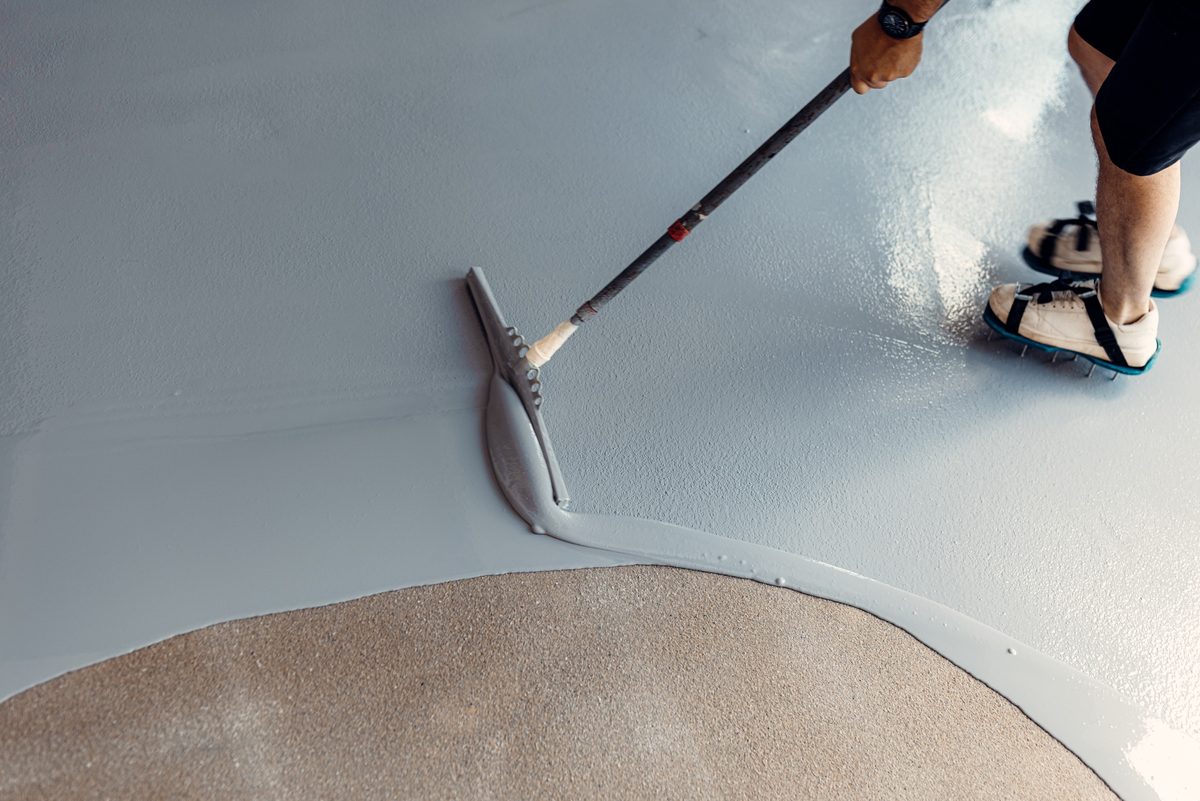
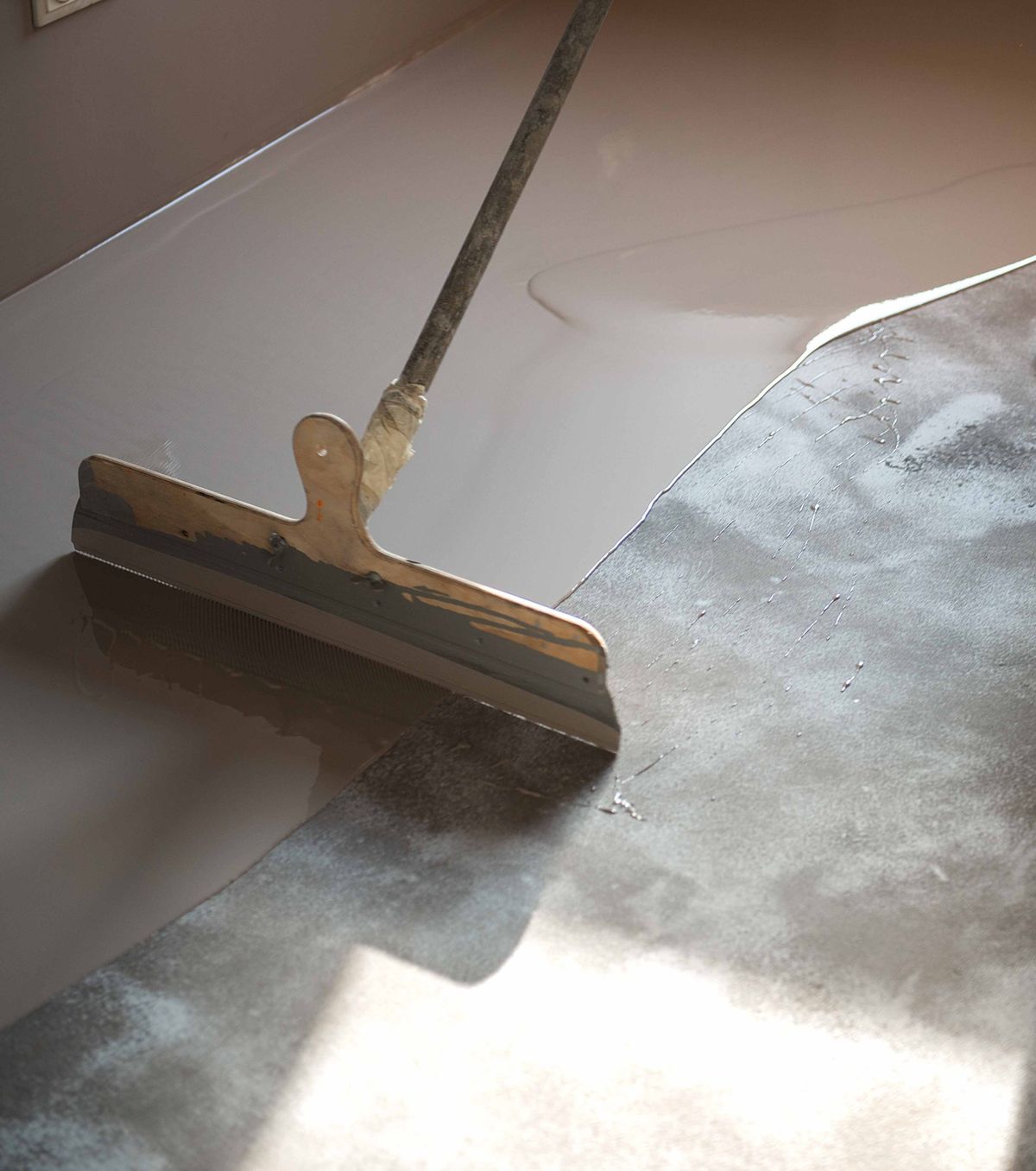
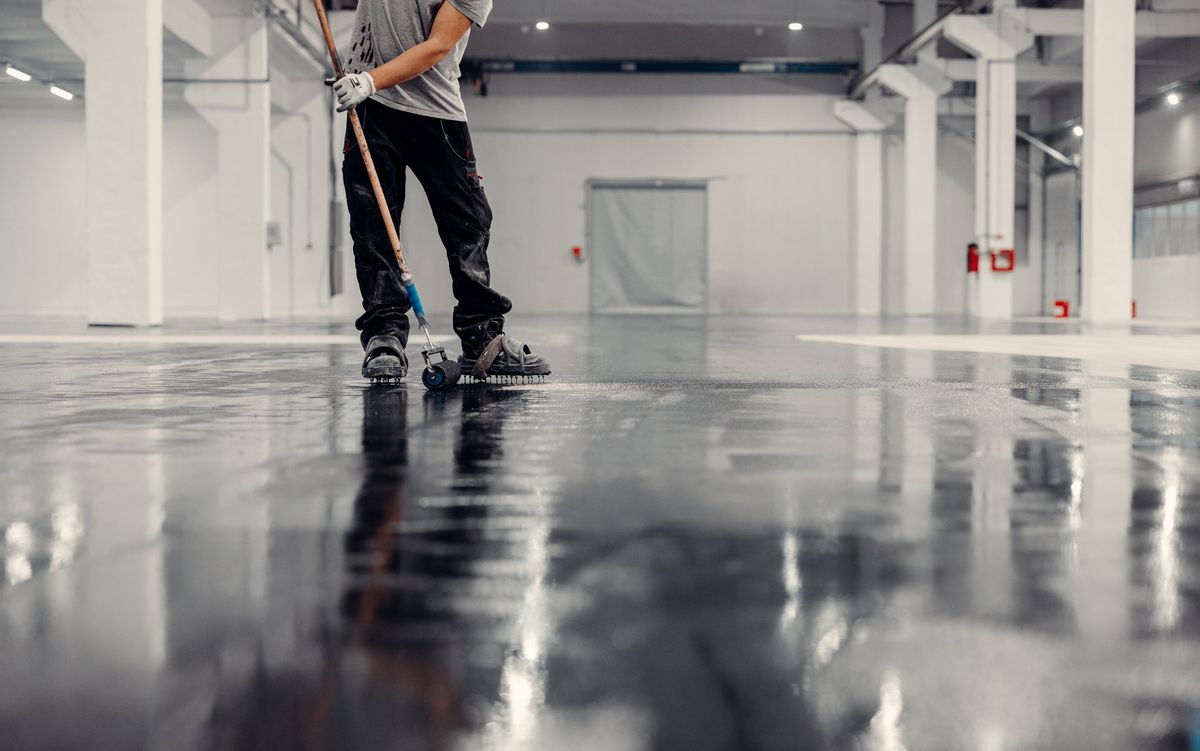
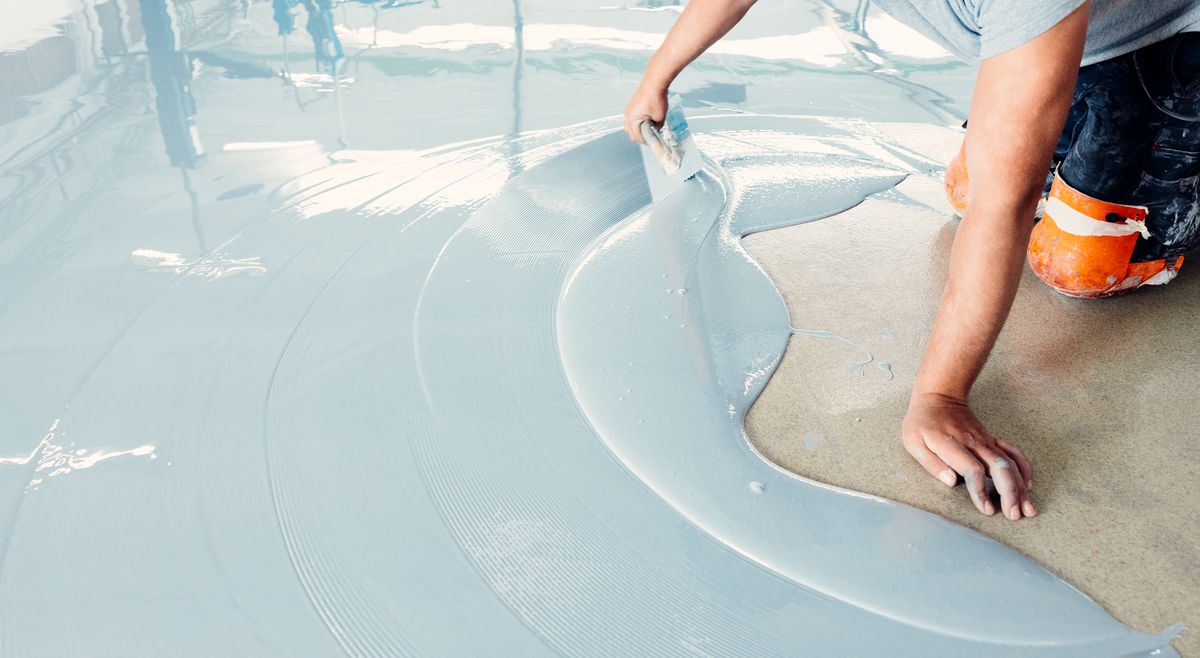
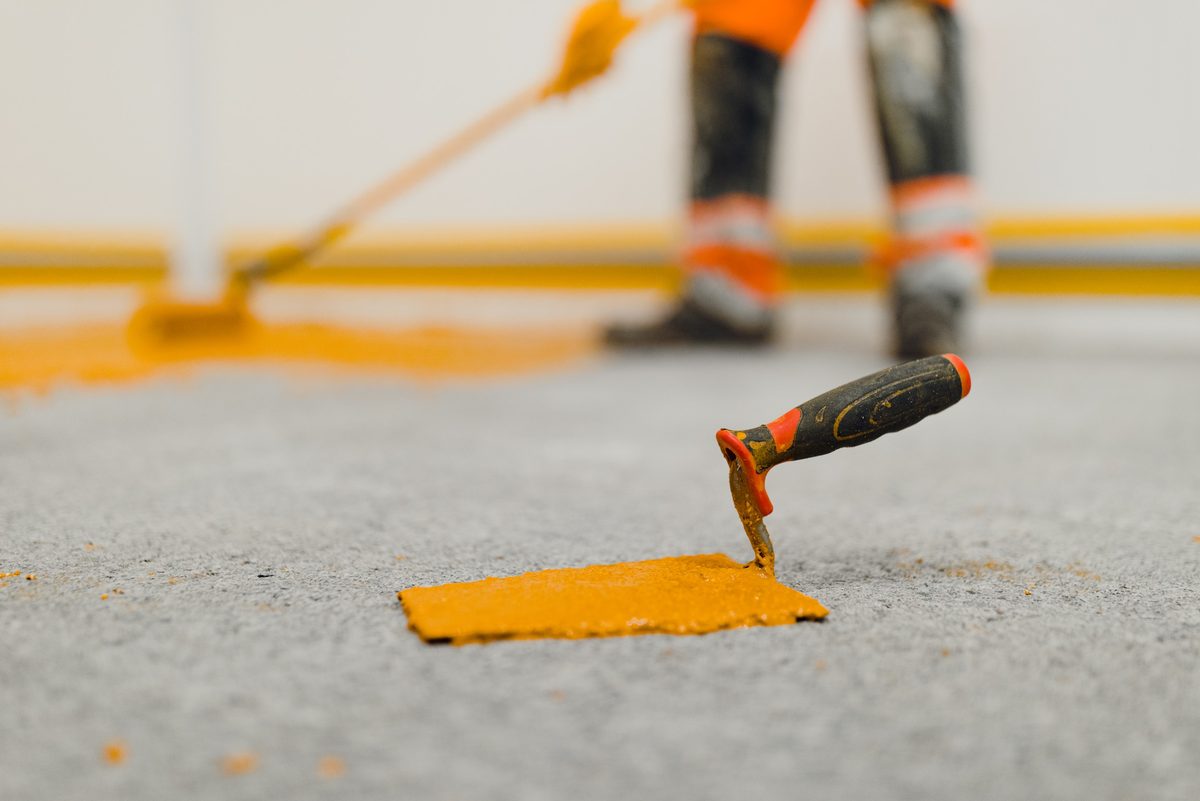
A typical project starts with slab inspection and system selection. The concrete is mechanically prepared and repairs are completed as specified. The installer applies the compatible primer or basecoat, broadcasts decorative material if included, then applies polyaspartic within the required recoat window. Because cure can be rapid, material quantities, mixing, crew coordination, and environmental conditions must be managed carefully. The floor remains closed until it reaches the required cure for foot traffic, vehicles, or equipment.
Why Professional Installation Matters
Fast-reacting coatings leave less time to correct application mistakes. Uneven film build, poor mixing, contamination, moisture, or a missed recoat window can affect adhesion and appearance. Some formulations are sensitive to temperature and humidity. Professional installation helps ensure the material is applied within its working time and that the system beneath it is compatible.
Choosing a Contractor in Avondale, Arizona
Ask which exact polyaspartic product is proposed and whether it is intended as a basecoat or topcoat. Request the technical data sheet, surface-preparation plan, moisture criteria, temperature range, and separate return-to-service times. Discuss UV exposure, traction, chemical use, and whether the system includes a compatible base layer. Be cautious of universal claims such as 'scratch-proof' or 'ready immediately.'
Understanding short working times
Some polyaspartic products have a limited pot life and can begin curing quickly after mixing. This affects batch size, crew coordination, edge work, and how much material can be spread at once. A fast-cure claim is only useful when the installer can apply the product consistently within its specified window.
Hybrid coating systems
An epoxy basecoat can provide build while a polyaspartic topcoat adds UV stability or a rapid final cure. The layers must be compatible and applied within the required recoat window. Ask what each layer contributes instead of evaluating the system by the topcoat name alone.
Temperature and application conditions
Polyaspartic products can be used across different temperature ranges, but each formulation has specific limits. Very hot concrete can shorten working time, while cool or damp conditions may change cure behavior. The installer should check slab temperature and the product's technical data before mixing. The ability to cure quickly does not remove the need for suitable conditions.
How to judge a complete proposal
A proposal should identify whether polyaspartic is the basecoat, topcoat, or both, and name the compatible layers beneath it. It should explain surface preparation, repair work, slip-resistance options, and cure times for foot and vehicle traffic. Ask what happens if the concrete has excess moisture or the existing surface is contaminated. Clear answers are more useful than broad claims about durability.
Routine care and wear limits
Keep abrasive grit off the floor and use cleaners approved for the topcoat. Chemical spills should be removed promptly, even if the product has chemical resistance. Heavy impacts, sharp tools, and dragging equipment can still cause damage. If the floor is used for work or storage, consider mats in high-impact areas where they will not trap moisture.
When another system may be better
Polyaspartic may not be the best fit for every project. A slower epoxy system may offer a more economical high-build layer, while a specialized industrial resin may be needed for aggressive chemicals or thermal shock. The right choice depends on performance and downtime, not the idea that one chemistry is always superior.
Why Choose Epoxy Flooring Avondale AZ
Epoxy Flooring Avondale AZ can help you compare polyaspartic with epoxy and polyurea systems based on the floor's actual use and the project's schedule. A clear recommendation should explain what each layer does, what limitations remain, and how the concrete will be prepared. This helps avoid choosing a product based on cure speed alone.